
Cajamarca is one of the poorest departments in Peru and sits on top of one of its largest gold deposits. That contradiction shapes everything here, including how the region feels about visitors. Tourism is one of the few industries whose money can stay local, but only if you spend it in a way that lets it.
None of what follows requires sacrificing your trip. Most of it is better travel anyway.
Buy from the people who made it
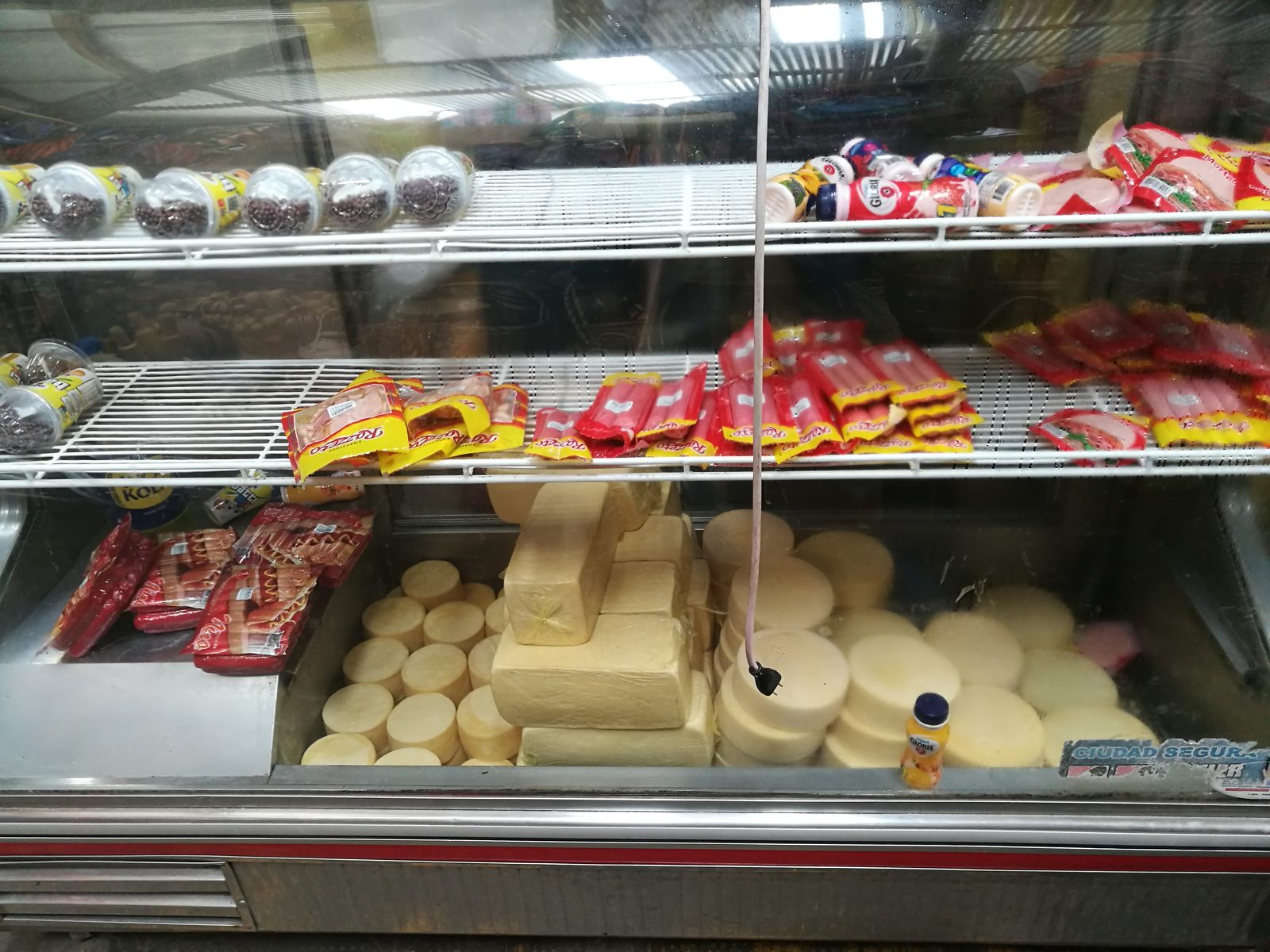
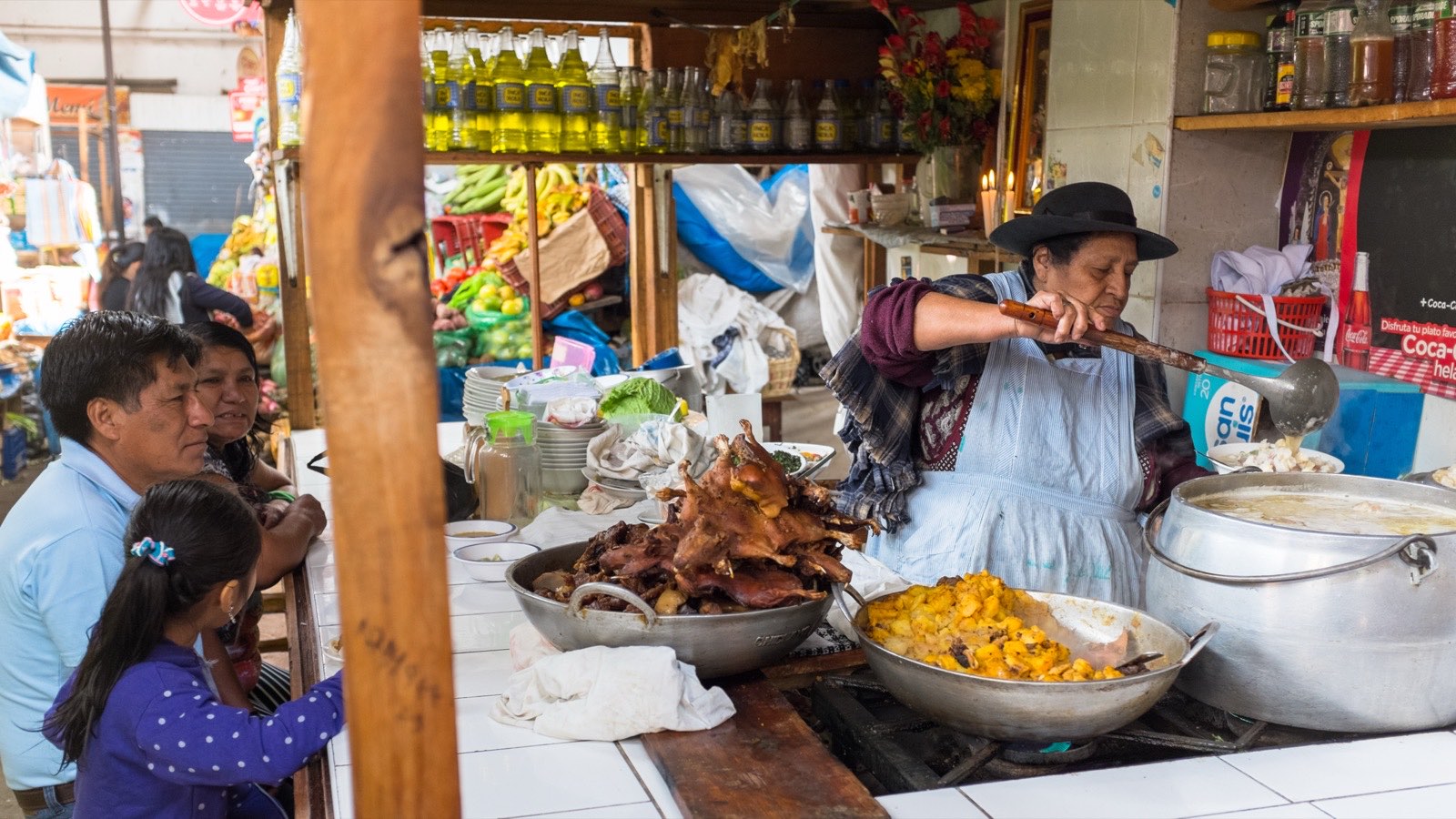
Cajamarca's craft economy is real and small-scale: weaving, straw hats, carved stone, silver, and above all dairy. The mark-up chain matters more than the price.
- Buy cheese, manjar blanco, and miel de caña from the Mercado Central or direct from a farm, not from an airport shop.
- Buy textiles from the artisan who is sitting behind them. Cooperative shops around the Plaza de Armas and in Los Baños del Inca sell on consignment for named weavers.
- Do not haggle hard over a few soles. The margin you are negotiating away is someone's day.
Hire locally, and hire properly
Independent Cajamarquino guides know this valley in a way that Lima-based operators do not, and the difference in what you learn is not subtle. Ask directly whether your guide is from the region.
Pay for a licensed guide at Cumbemayo and Cuntur Wasi. The sites are not interpreted on-site, the archaeology is genuinely difficult, and an unguided visit is mostly walking past things you did not know were there.
Tip. Guides, drivers, and hotel staff here are on low wages and tipping is not built into prices.
Community-run places are worth choosing
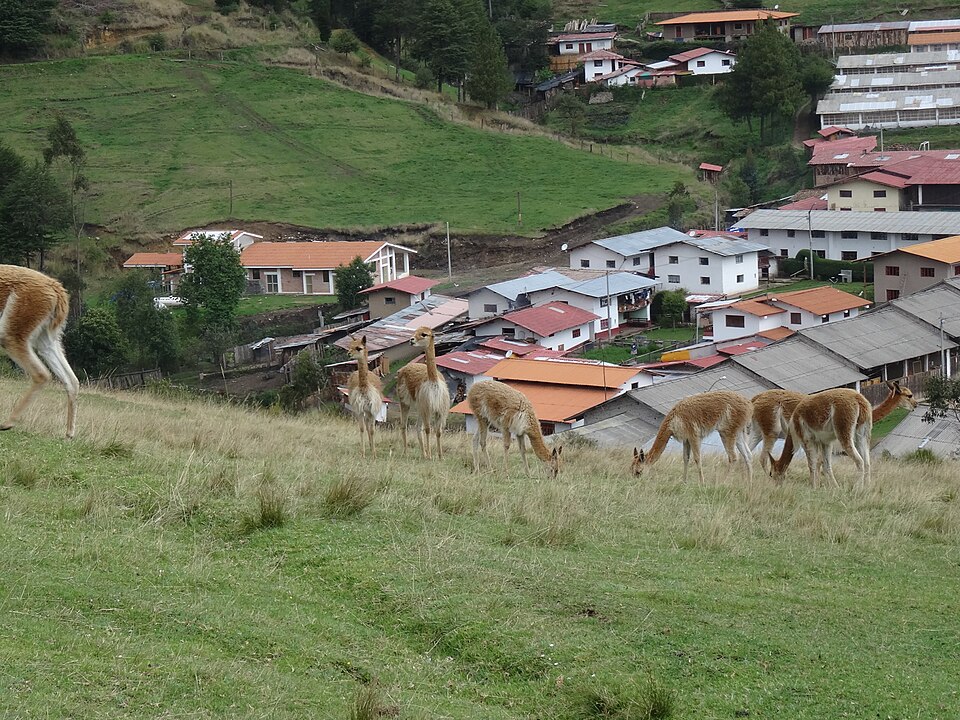
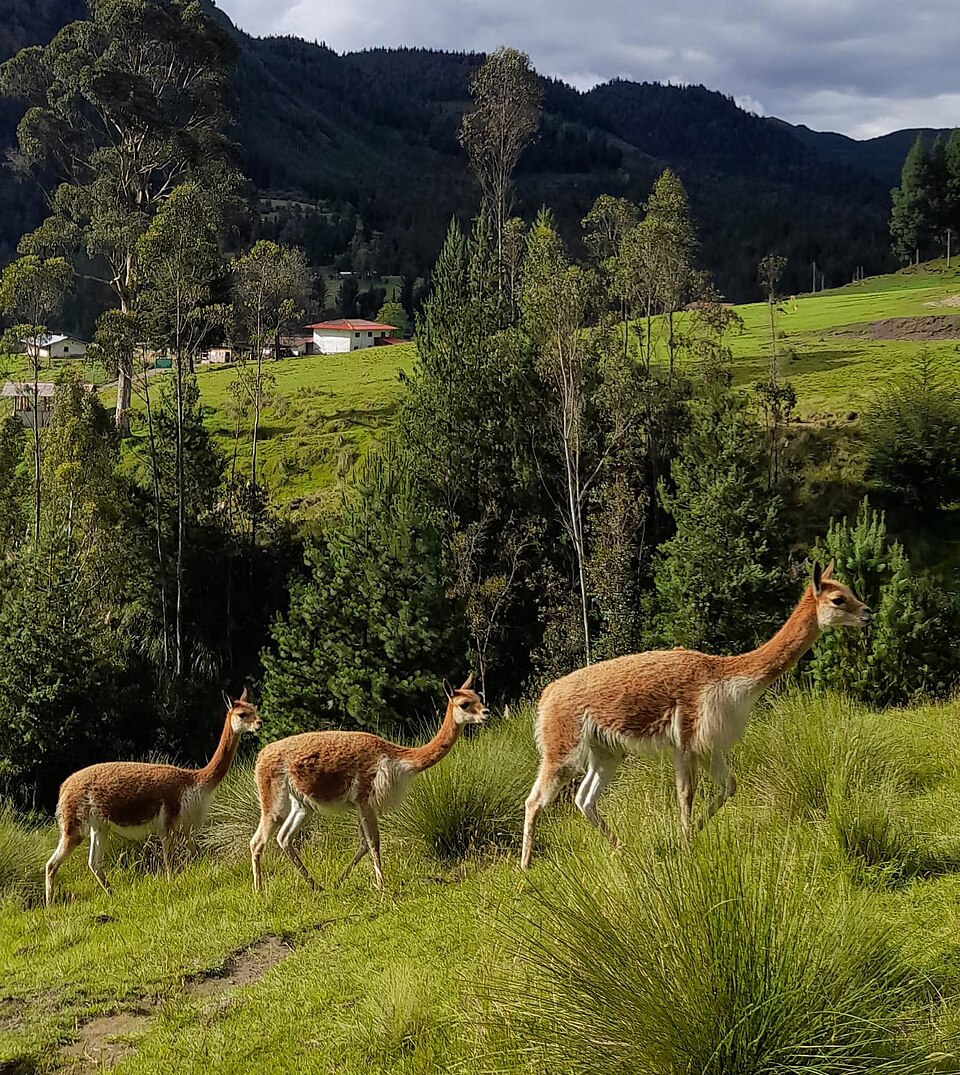
Granja Porcón is the clearest example: a Quechua-speaking cooperative running a reforestation project, a working dairy, and a rescue centre for spectacled bears and vicuñas. Entrance fees and the on-site restaurant fund the cooperative directly. It is also, independently of the ethics, one of the better days out from the city.
The dairy farms around Hacienda La Colpa and the Otuzco road sell tastings direct. The rural homestays in the Porcón and Chetilla areas are basic and the money goes to the household.
Water, waste, and the high country
- Tap water is not drinkable, and the answer is not a crate of plastic bottles. Bring a filter bottle or use the refill points that most hotels now provide. Cajamarca's waste collection does not extend far past the city.
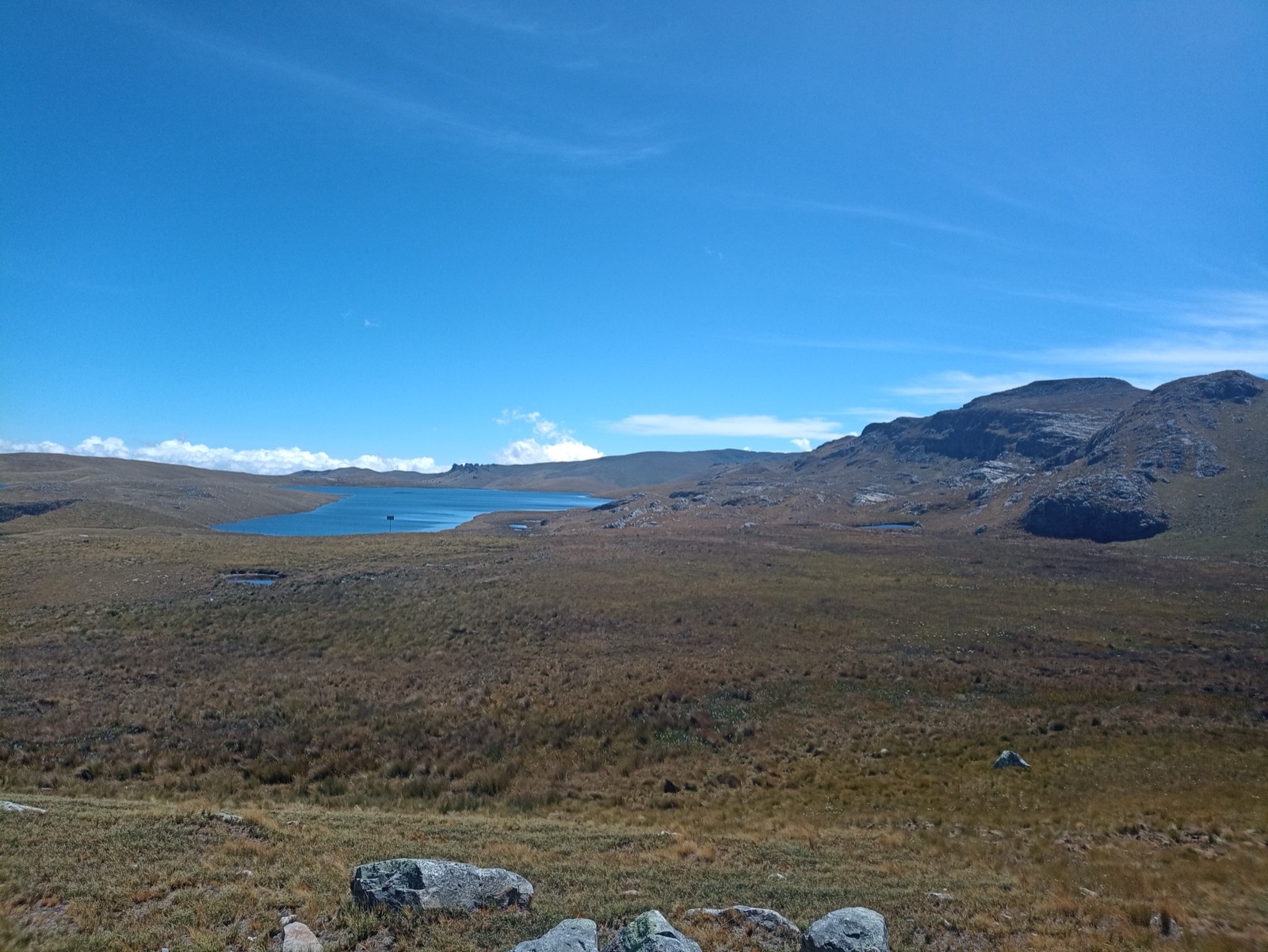
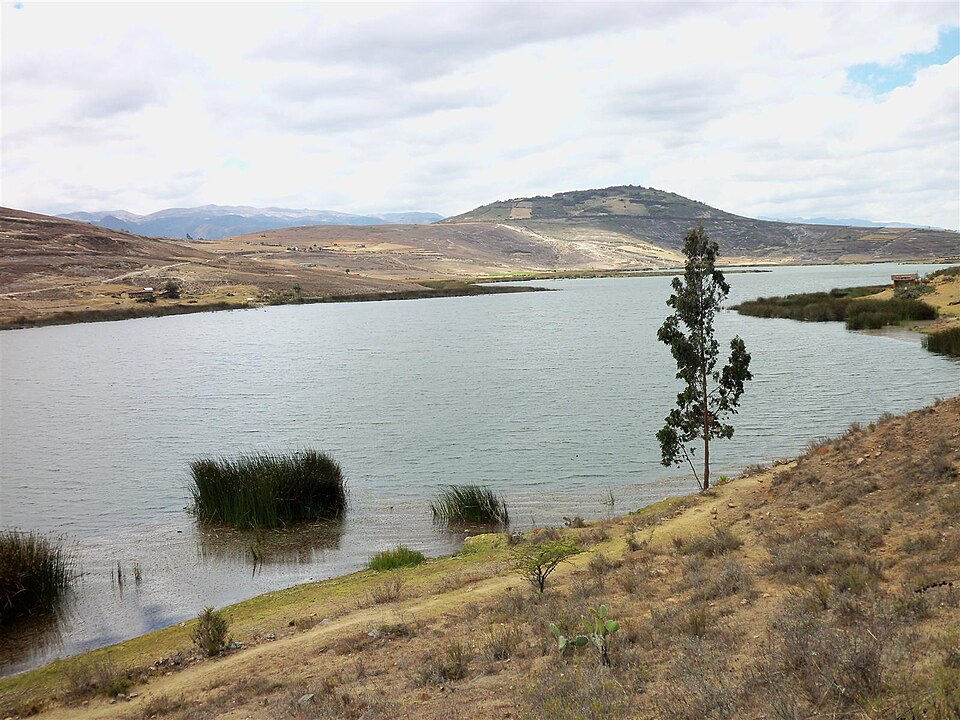
- Carry your rubbish out of Cumbemayo and the Lagunas de Alto Peru. There is no collection at either.
- The páramo grassland above 3,500 m at Alto Peru is a water source for the whole valley and it recovers from damage over decades, not seasons. Stay on the paths, do not cut across wet ground, and do not build cairns.
Photographing people
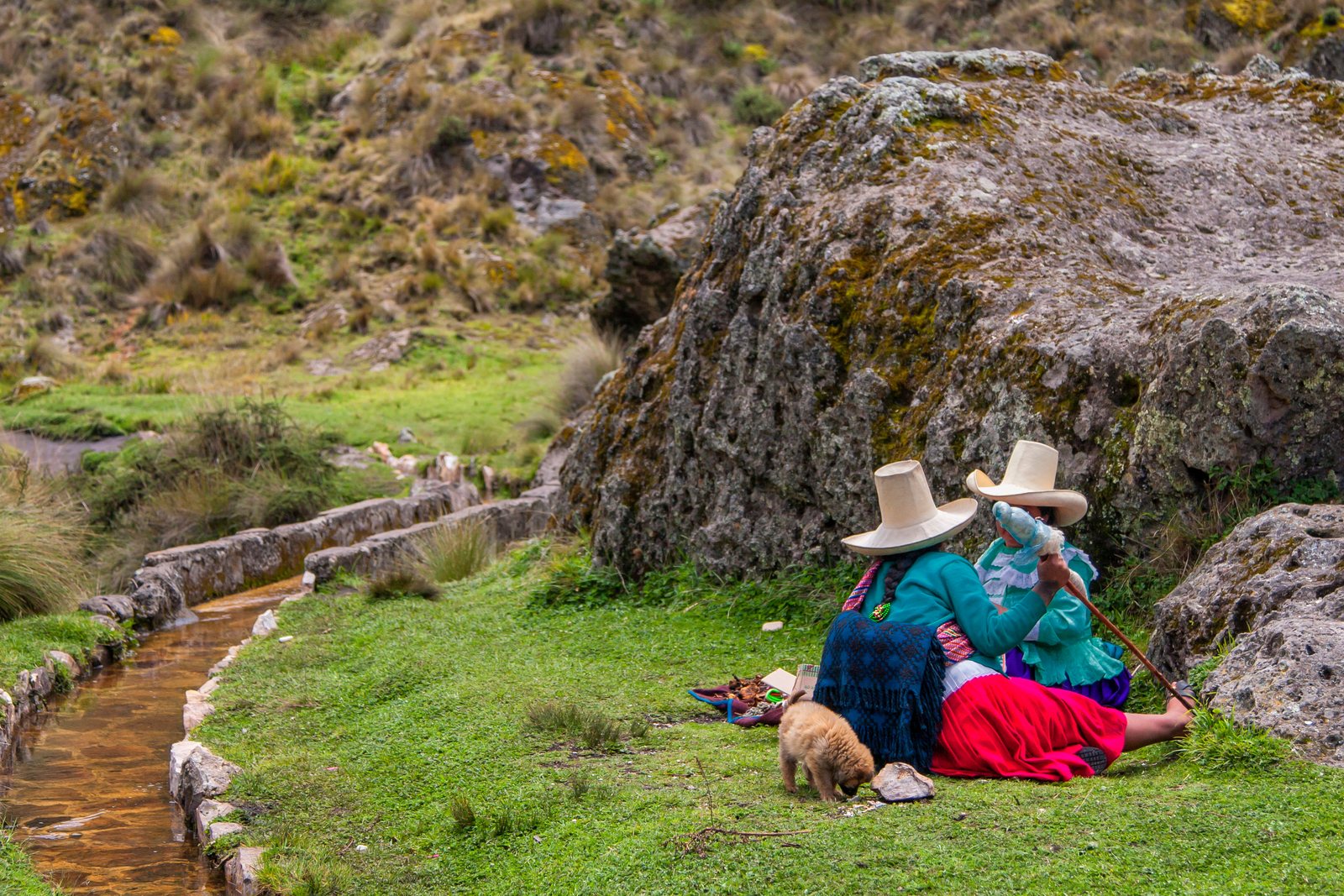
Cajamarca's rural dress is genuinely worn, not performed for cameras, and people are photographed constantly without being asked. Ask first, "¿Puedo tomarle una foto?", accept no, and pay if a payment is requested. If someone poses with an animal for tourists, that is their job; pay them for it.
At Carnival the rules relax, but consent still applies to close portraits.
Sites are fragile, and mostly unguarded
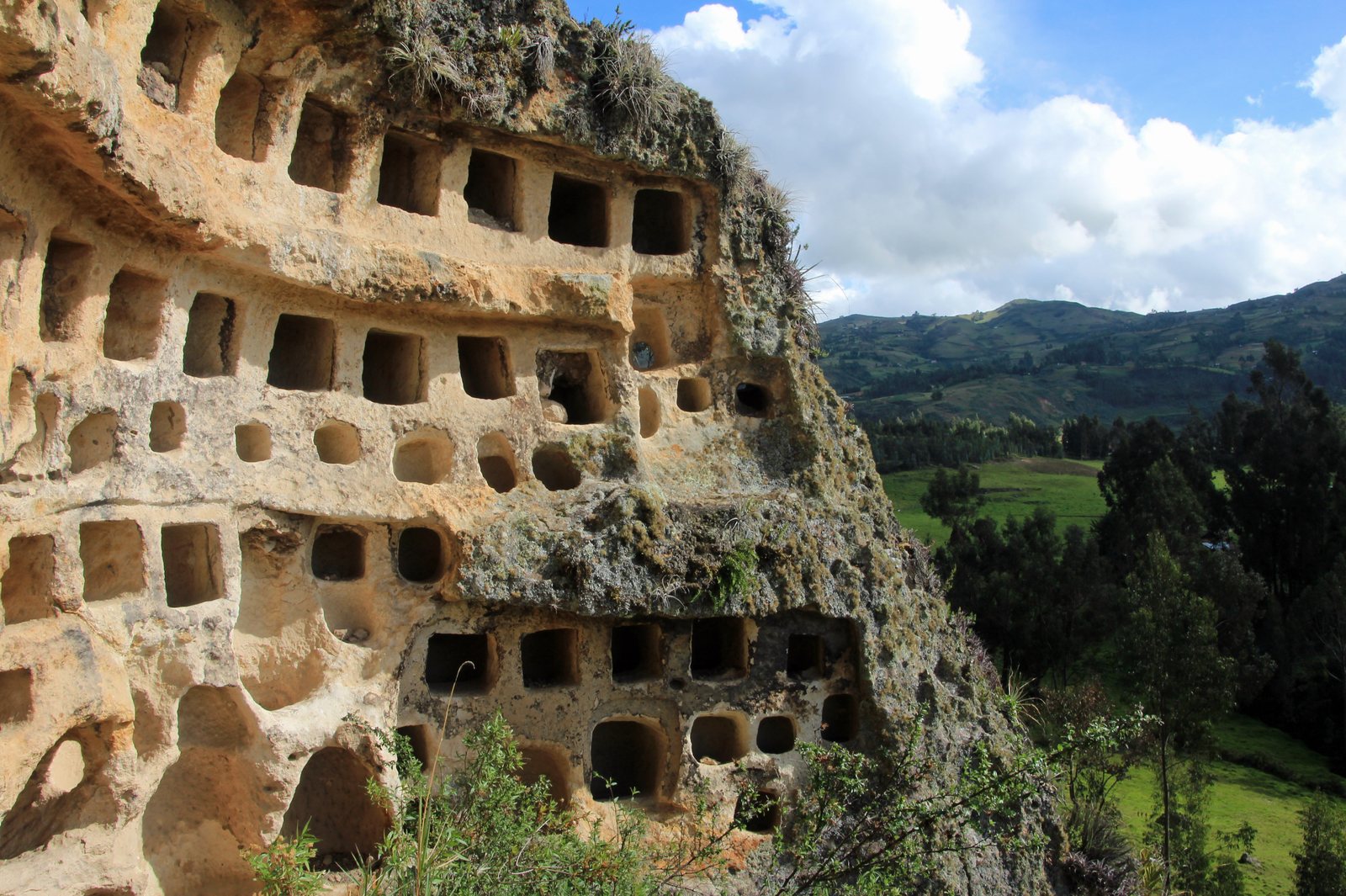
The petroglyphs at Cumbemayo, the burial niches at Ventanillas de Otuzco, and the carved seat on Cerro Santa Apolonia have almost no physical protection. Do not touch carved surfaces, do not climb into the niches, and do not add graffiti to stone that has been unmarked for three thousand years. Enforcement here depends almost entirely on visitors behaving well.
The mine, and how to talk about it
Yanacocha, north of the city, is one of the largest gold mines in South America and the most divisive subject in the region. Opinions locally are strong, informed, and not uniform. Some families depend on mine wages, others have fought it over water for twenty years.
If it comes up, listen rather than arrive with a position. It is not an abstract debate to the person you are talking to.
The short version
Sleep in locally owned places. Eat at the market. Hire Cajamarquino guides and pay them properly. Refill instead of buying bottles. Ask before you photograph anyone. Carry your rubbish down from the high country.
That is most of it, and it costs nothing.