
About Granja Porcón
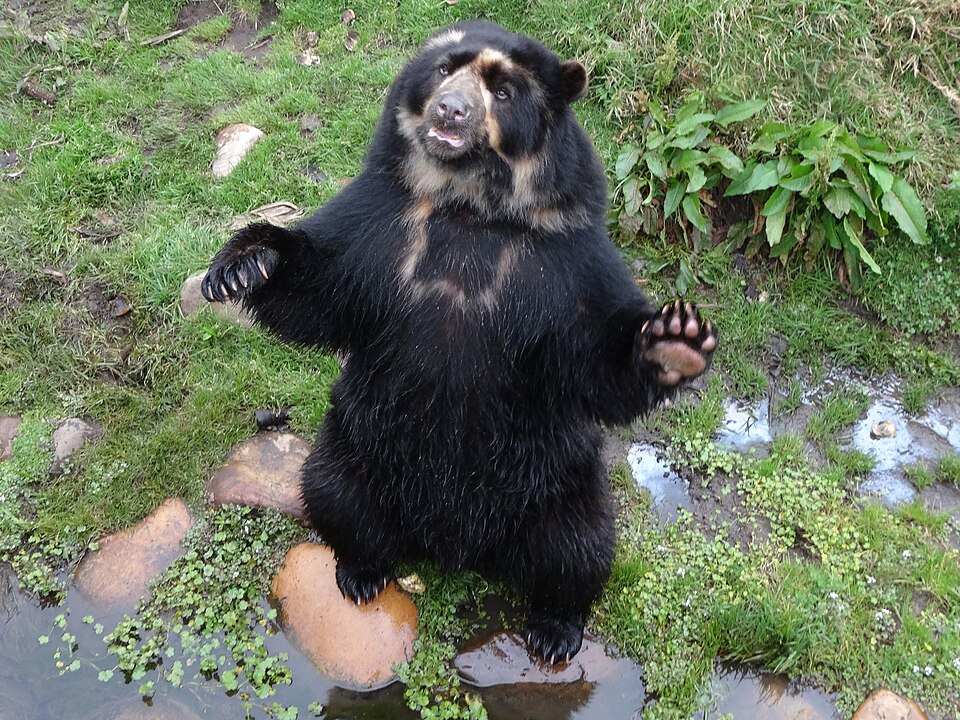
The plantation is the first surprise: dense pine forest is not what most people expect in the high Andes, and it was planted. The co-operative manages it alongside dairy herds, trout ponds, stone-carving workshops and a small refuge for rescued Andean bears on the grounds. The spectacled bear is South America's only bear, and the animals here are ones that could not be returned to the wild.
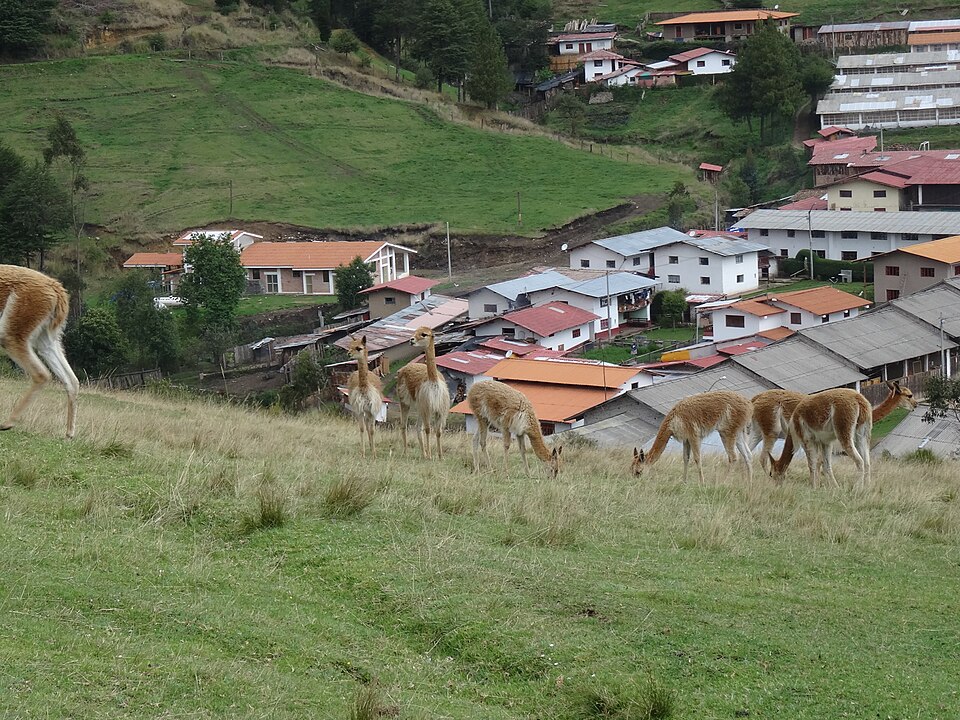
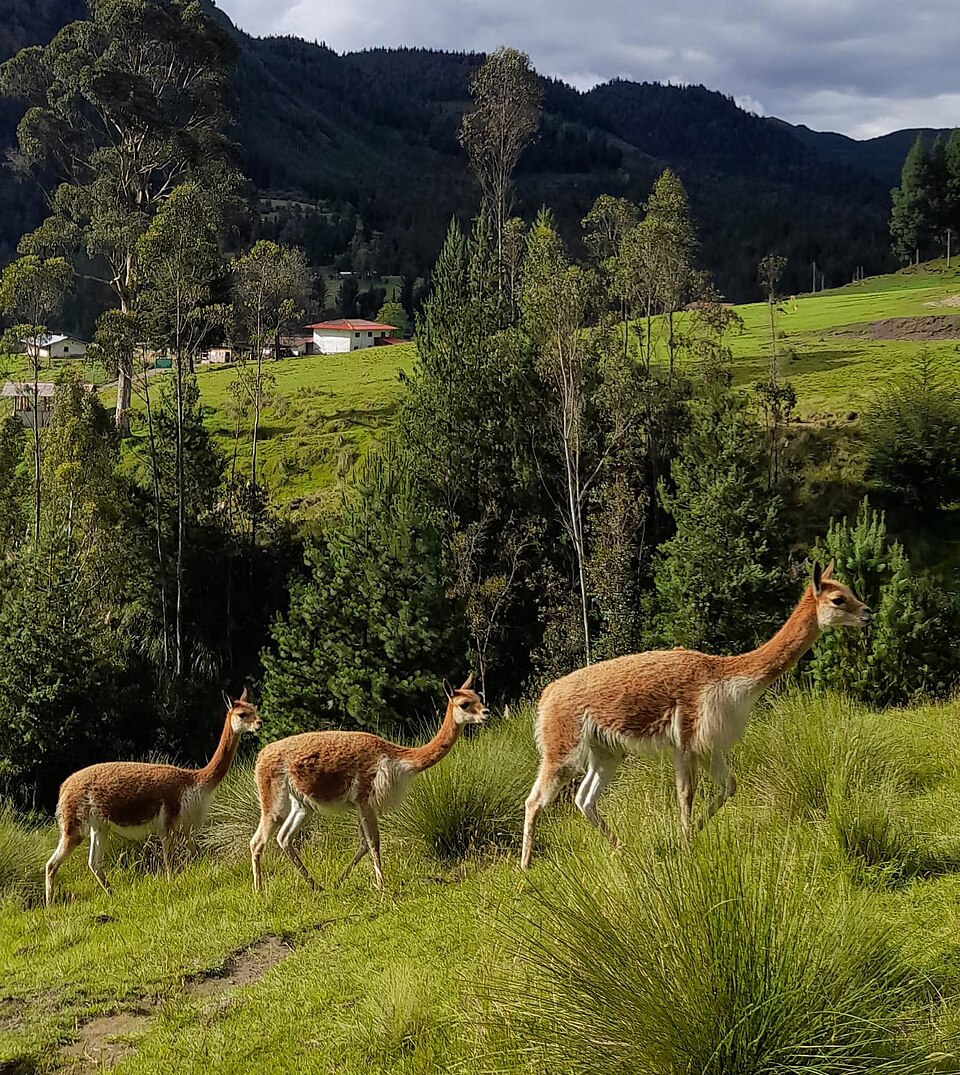
Vicunas graze the open ground above the plantation and on the slopes around the settlement. A vicuna is not a llama and not an alpaca: the llama carries loads, the alpaca grows the fleece, and the vicuna was never domesticated. Its wool is among the finest and most expensive in the world, which is why the herds are managed rather than farmed.
Five to six hours is realistic, and a full day is better if you want to walk the forest trails. May to October is the window; the tracks through the plantation turn to mud in the wet months and the cloud comes down. At 3,200 metres this is high enough to feel, so it is not a first-day trip. There is accommodation and a restaurant on site run by the co-operative, which is the most direct way for a visit to put money into it.
A cooperative farm in pine forest, with highland wildlife, walking trails, and stone-carving workshops.
Granja Porcón is a Quechua co-operative running a forestry and farming operation in pine forest about thirty kilometres north of the city, at 3,200 metres. It is a working business that takes visitors, not an attraction, and the difference shows.
Quick Facts
- Allow
- 5-6 hours
- Best time:
- May to October
- Elevation:
- 3,200 m
- Region:
- Cajamarca
Book Your Visit
We may earn a commission from bookings made through these partners, at no extra cost to you.
Planning a trip to Granja Porcón?
Browse more places in the region or get in touch with questions about visiting Cajamarca.