About Cuntur Wasi
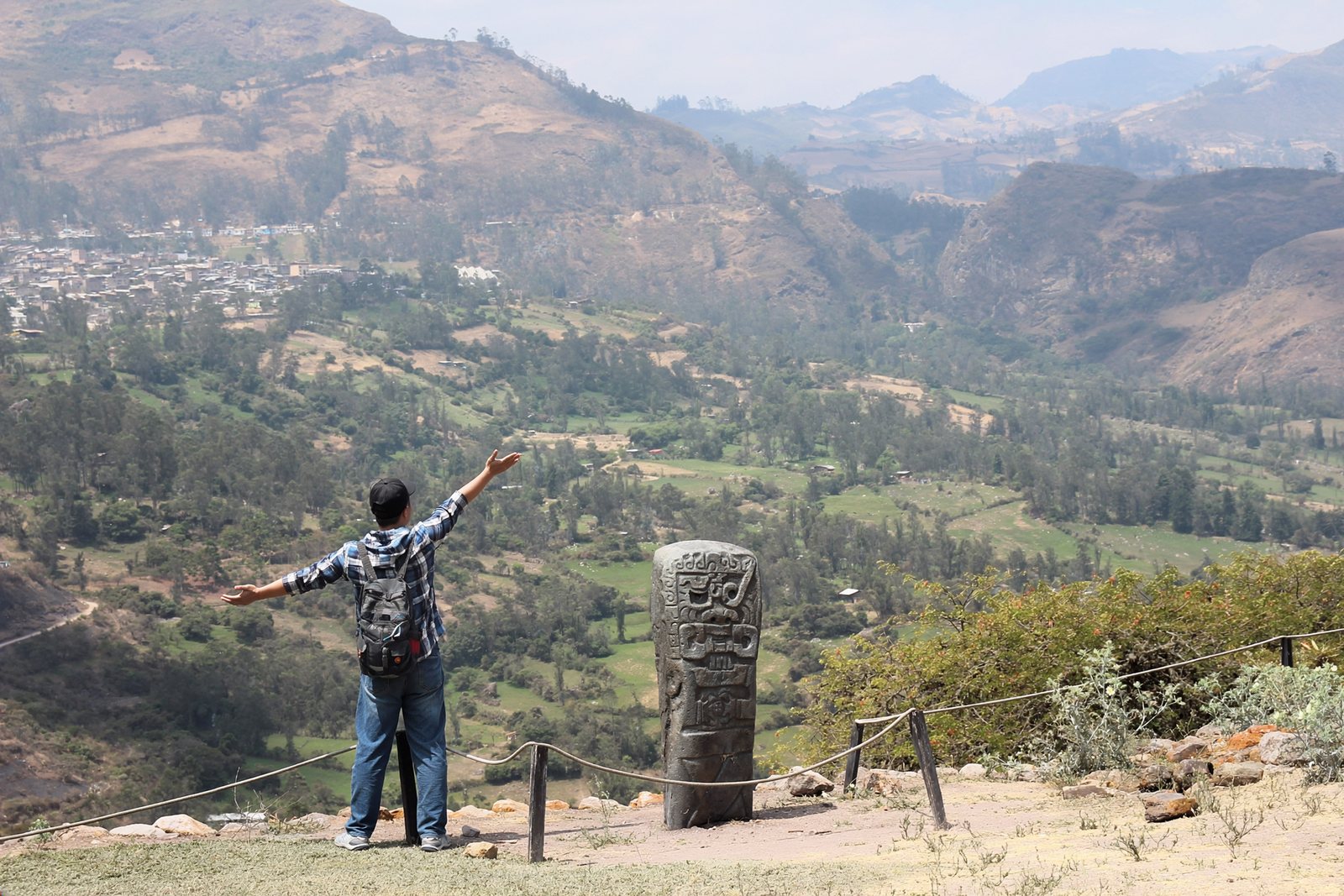
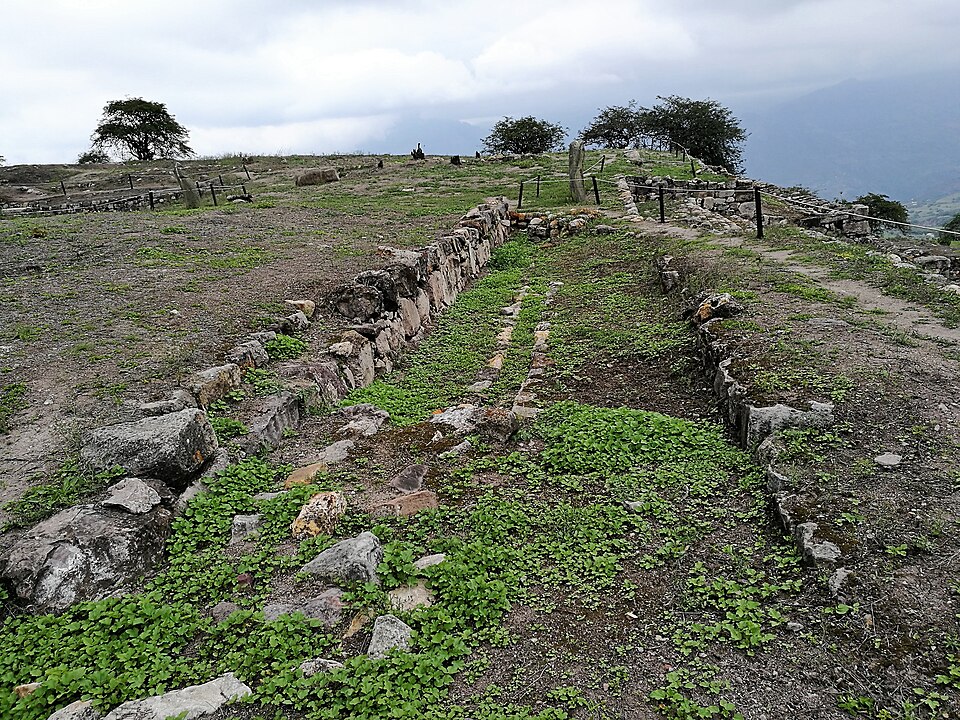
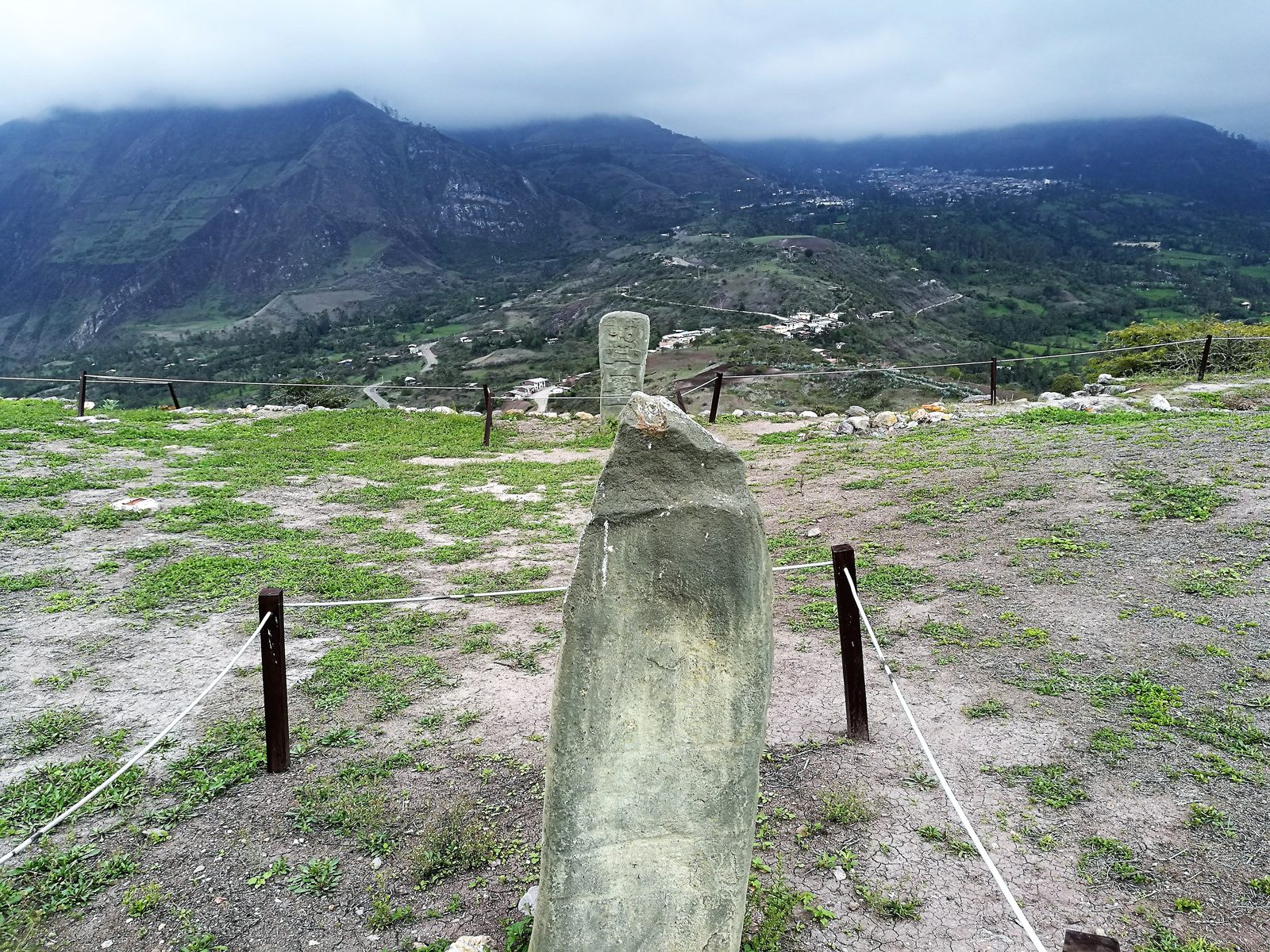
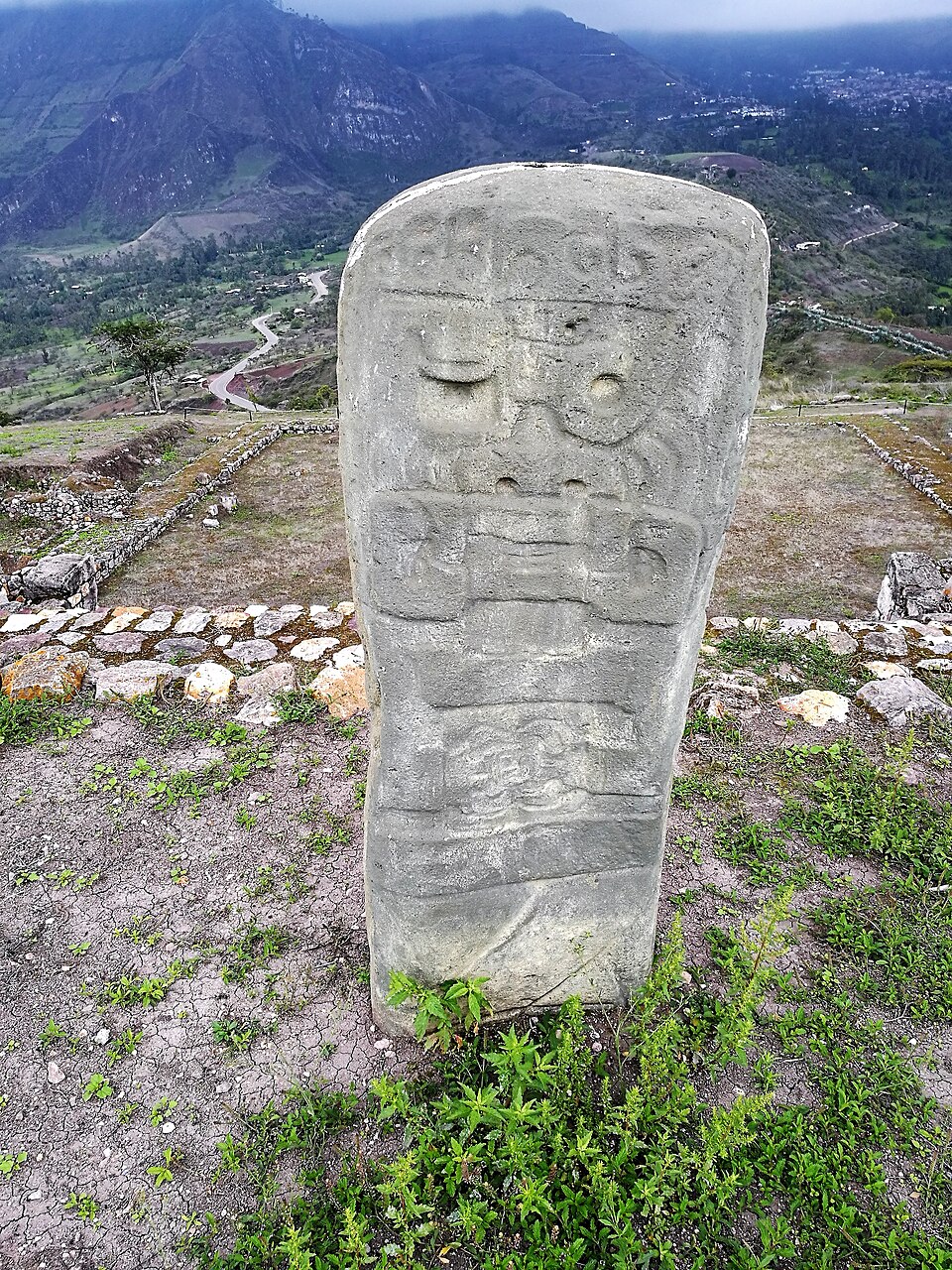
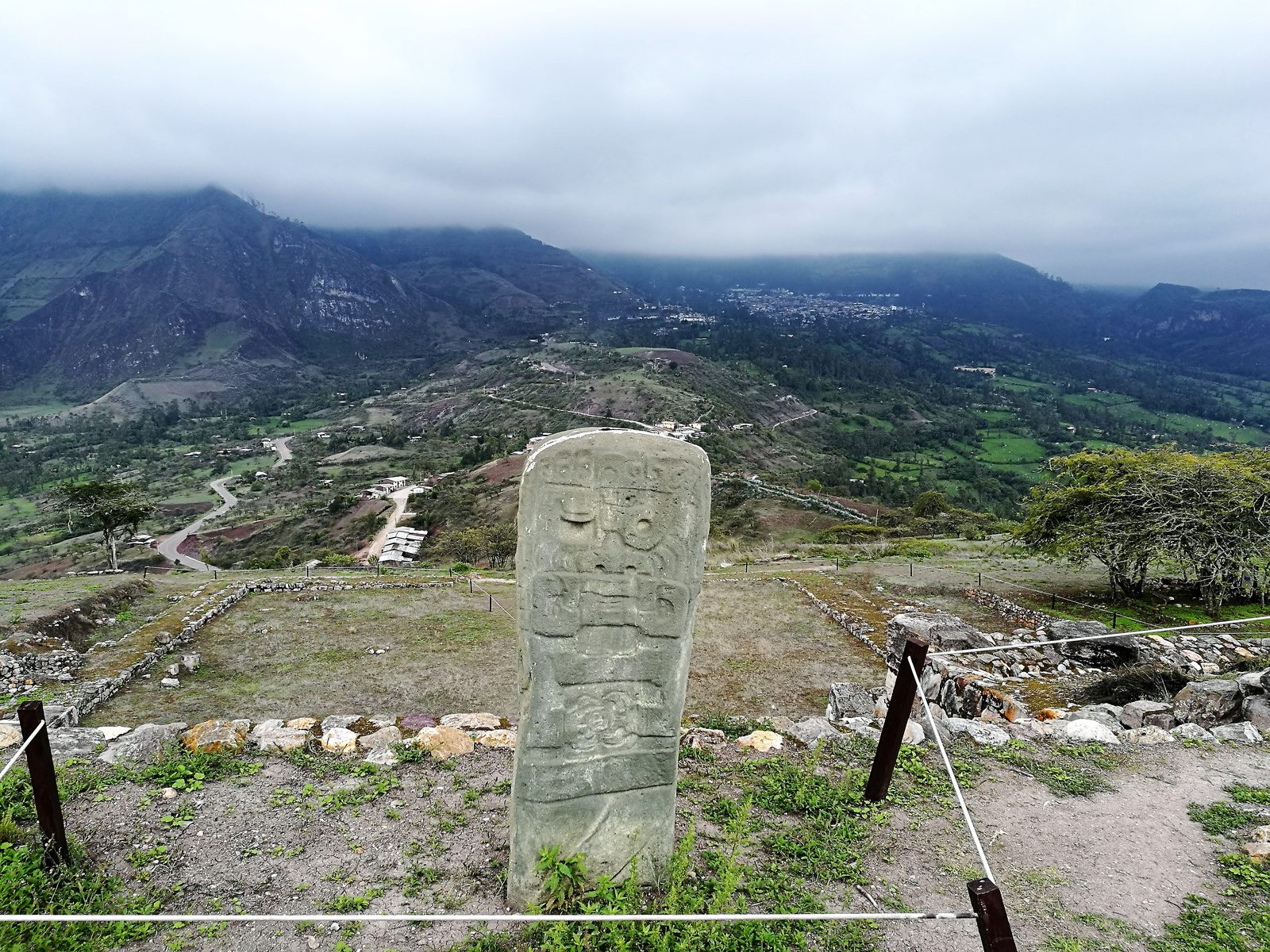
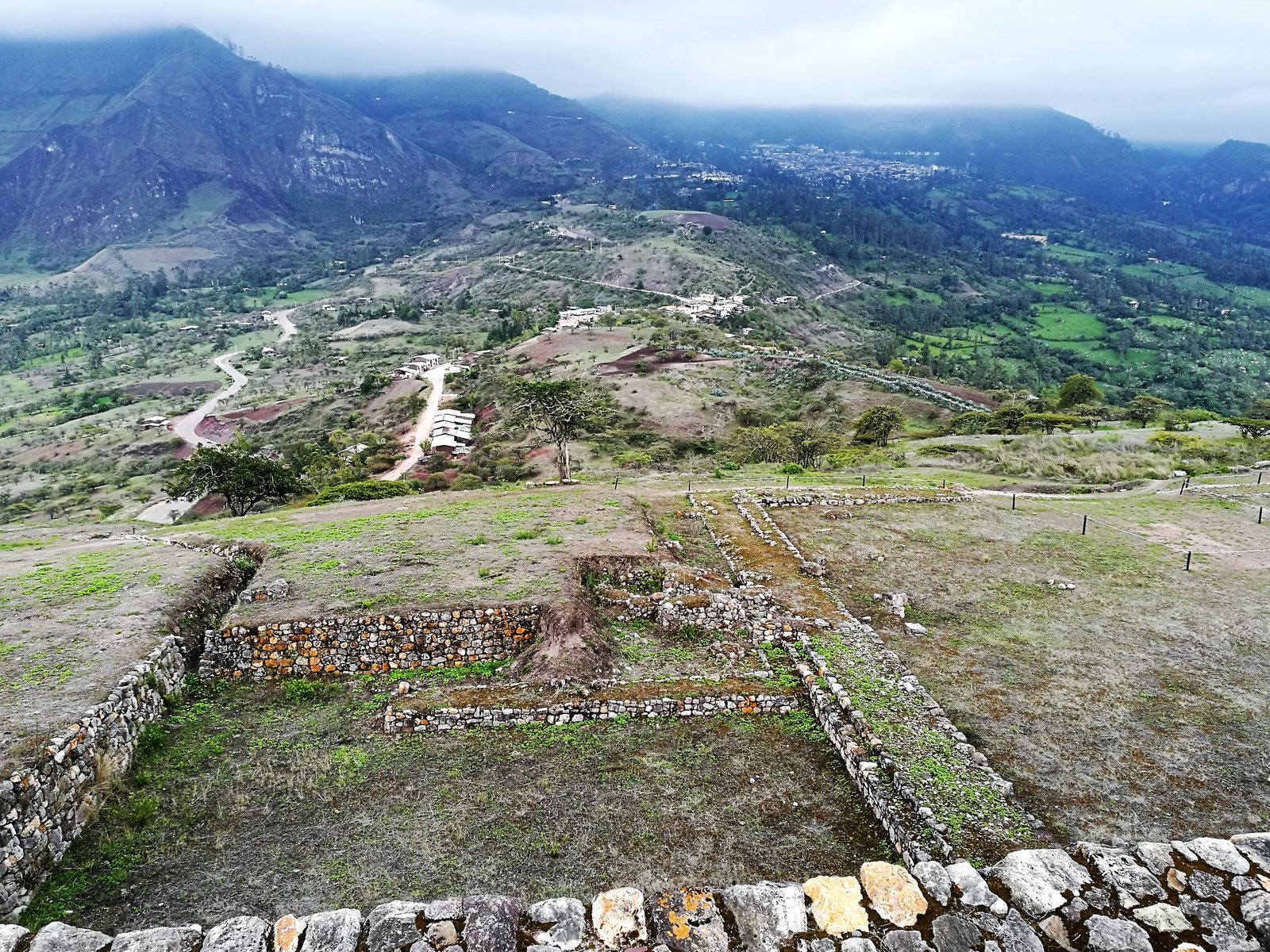
The site was built in stone terraces from around 1100 BC and rebuilt at least three times as the people using it changed, which is legible in the platforms themselves: walls, stairways and terrace lines from different periods sit on top of one another across the summit. Carved monoliths stand on the platforms, faces and limbs cut in low relief, some of them roped off where they were found.
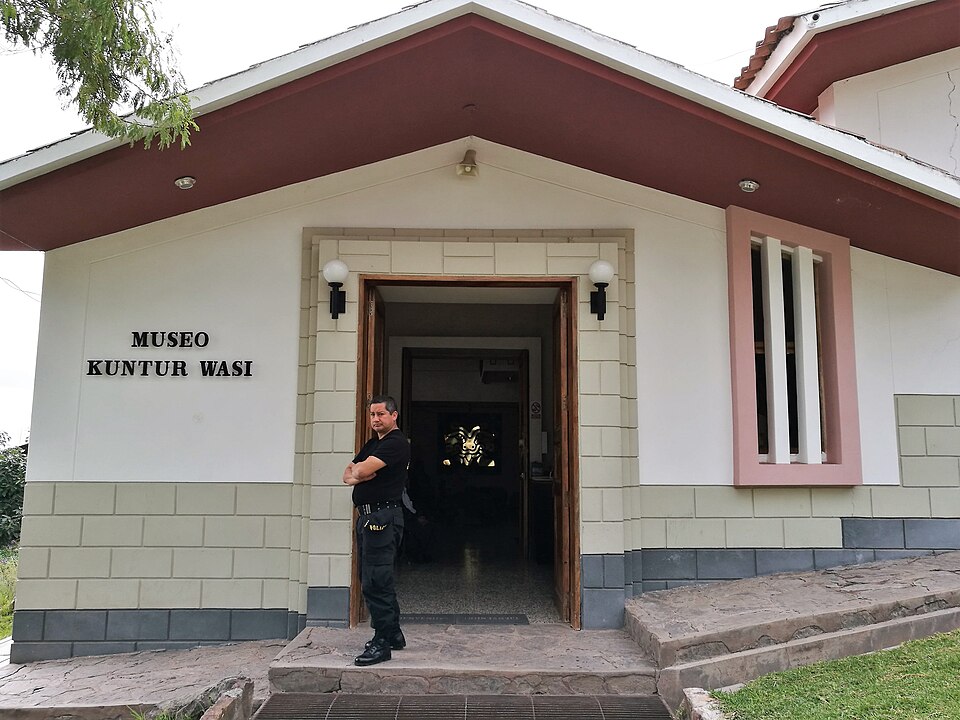
What made the site matter beyond the region came out of the ground in the late 1980s. Japanese and Peruvian archaeologists excavating the tombs reached gold crowns, ear ornaments and pectorals worked with a confidence that pushed the known beginning of Andean goldsmithing back by centuries. The finds are kept at a small site museum a few metres from where they were dug, which is unusual and worth the trip on its own; most material of that significance ends up in Lima.
This is a full day. The drive is long, the road descends a great deal, and the walk up to the platforms is exposed with little shade. May to October is the practical window. Because the site sits lower than the city, altitude is not the issue here that it is at Cumbemayo; distance is. Go early, and treat it as the only thing you are doing that day.
A pre-Inca ceremonial centre about two hours out, known for the gold found in its tombs.
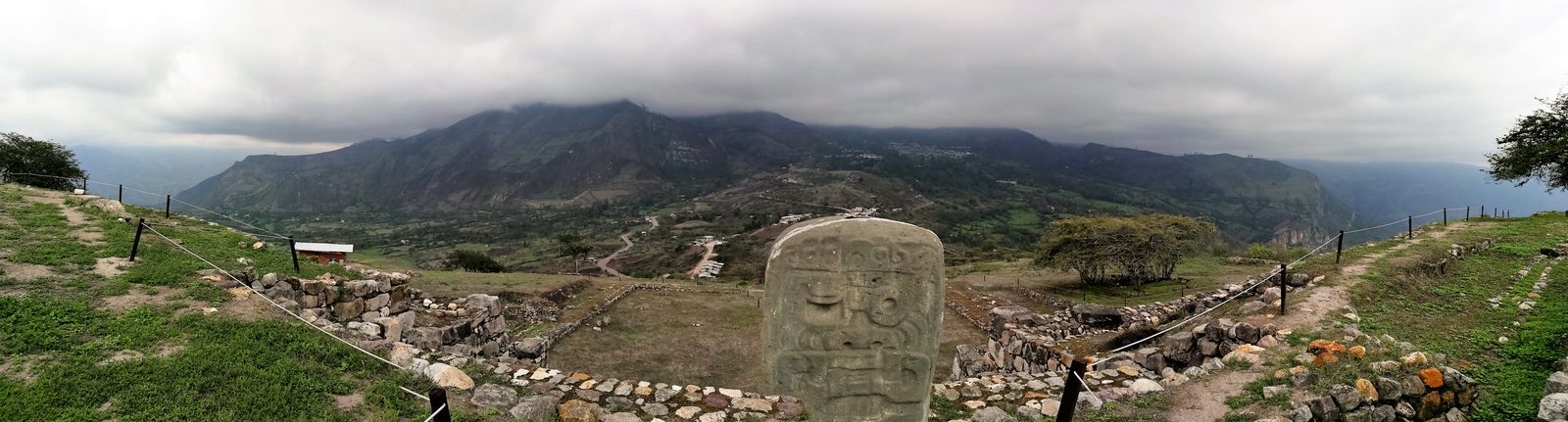
Cuntur Wasi, the house of the condor, is a ceremonial centre on a hilltop above the Jequetepeque valley, about four hours west of Cajamarca and well down from it at 2,300 metres. It holds the oldest story in the region.
Quick Facts
- Allow
- Full day
- Best time:
- May to October
- Elevation:
- 2,300 m
- Region:
- Cajamarca
Book Your Visit
We may earn a commission from bookings made through these partners, at no extra cost to you.
Planning a trip to Cuntur Wasi?
Browse more places in the region or get in touch with questions about visiting Cajamarca.