About Cerro Santa Apolonia
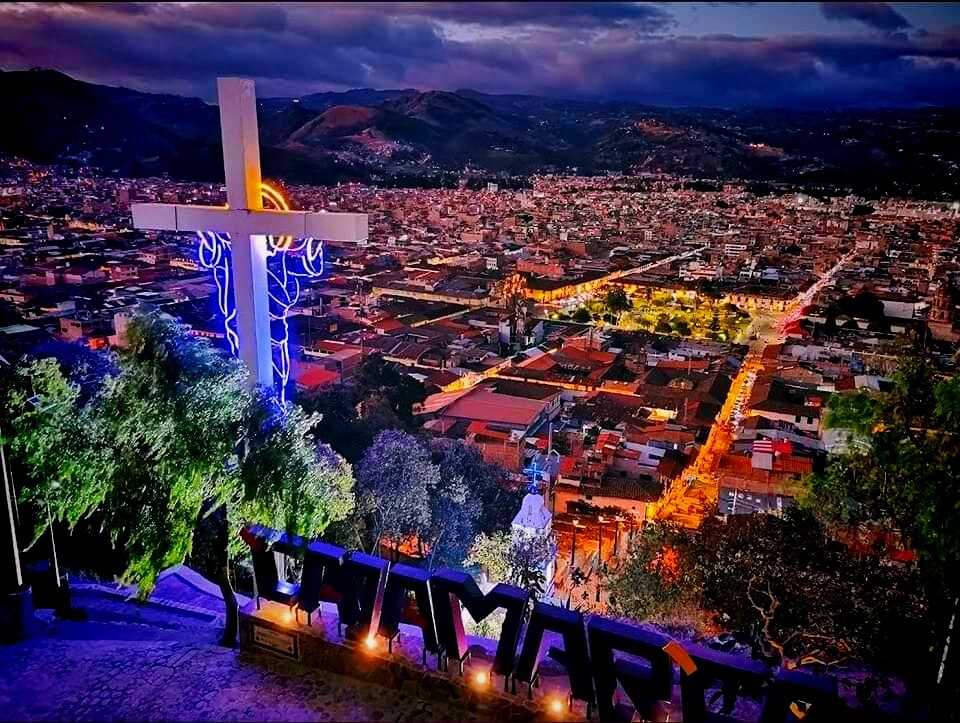
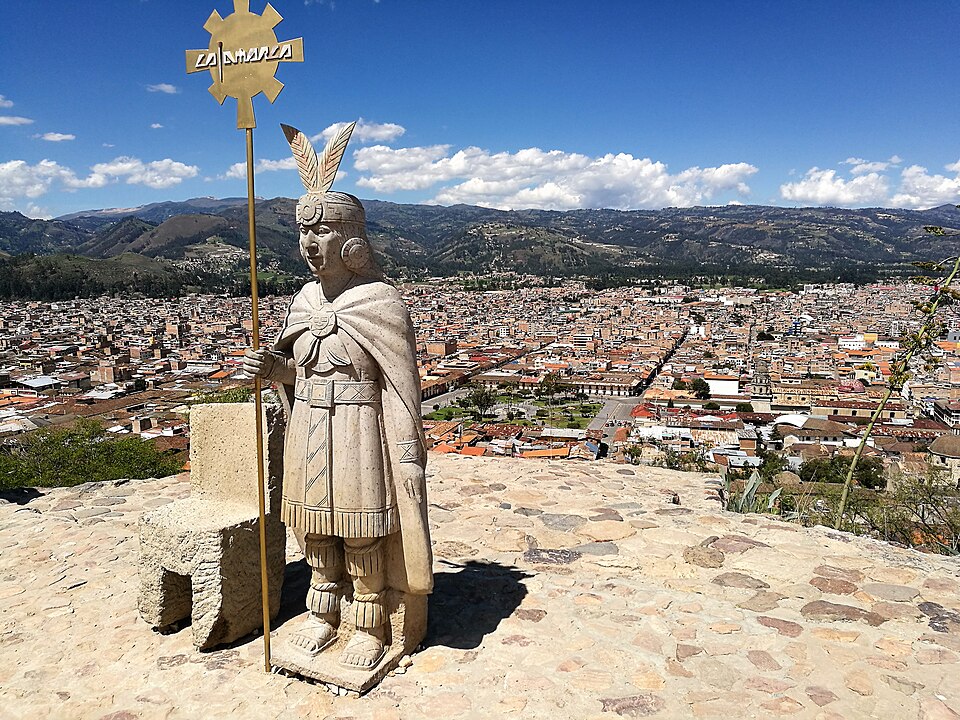
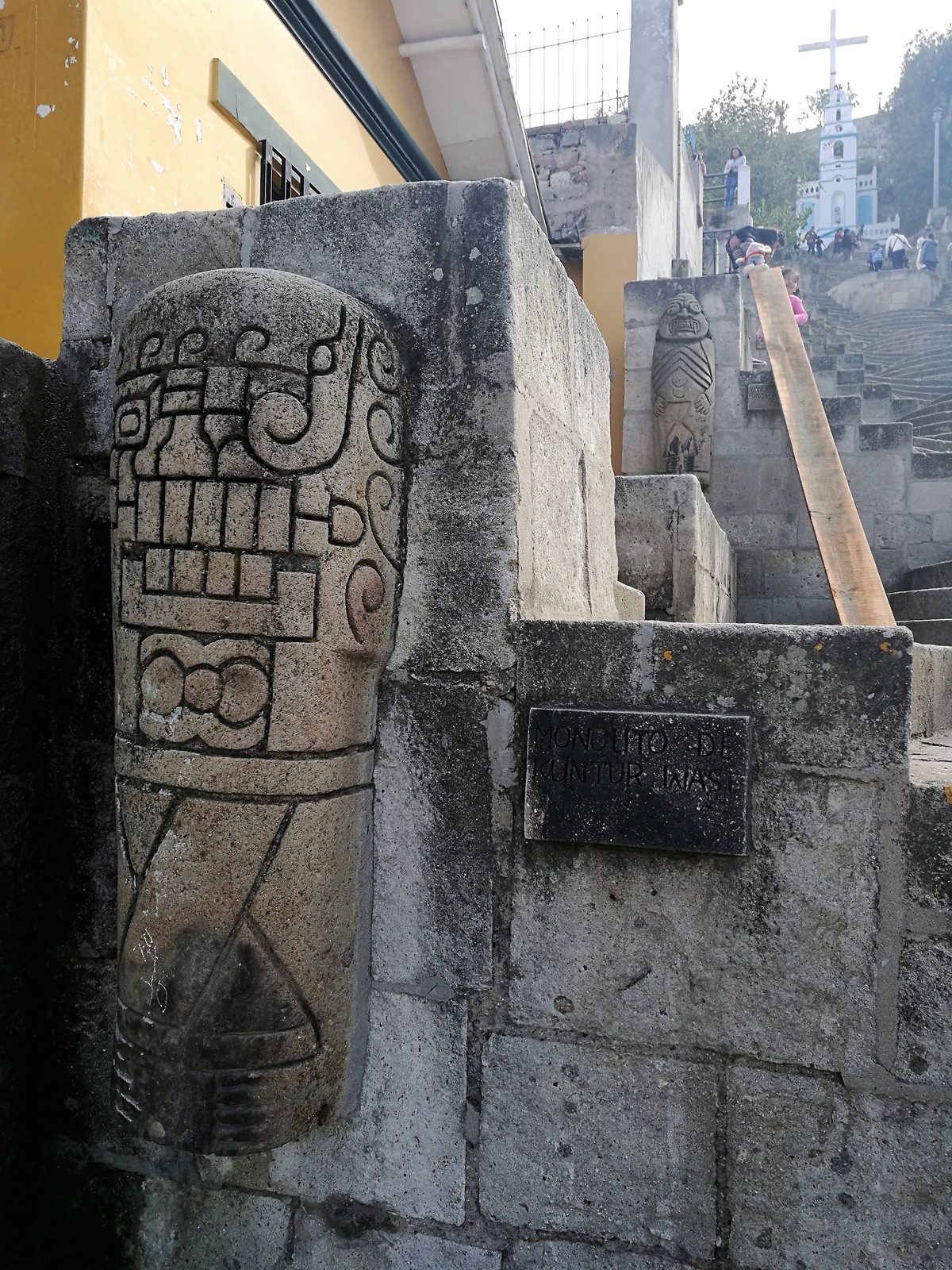
Stone stairways rise from the edge of town through gardens to the summit, where a cross stands over the city. Near the top is a carved rock long known as the Inca Seat, cut into shapes that have been read as a throne, an altar and a sacrificial stone at different times; which it was is not settled. A replica of a Cuntur Wasi monolith is set into the steps on the way up. The original stands at the site ninety kilometres west, and the copy is clearly labelled as one.
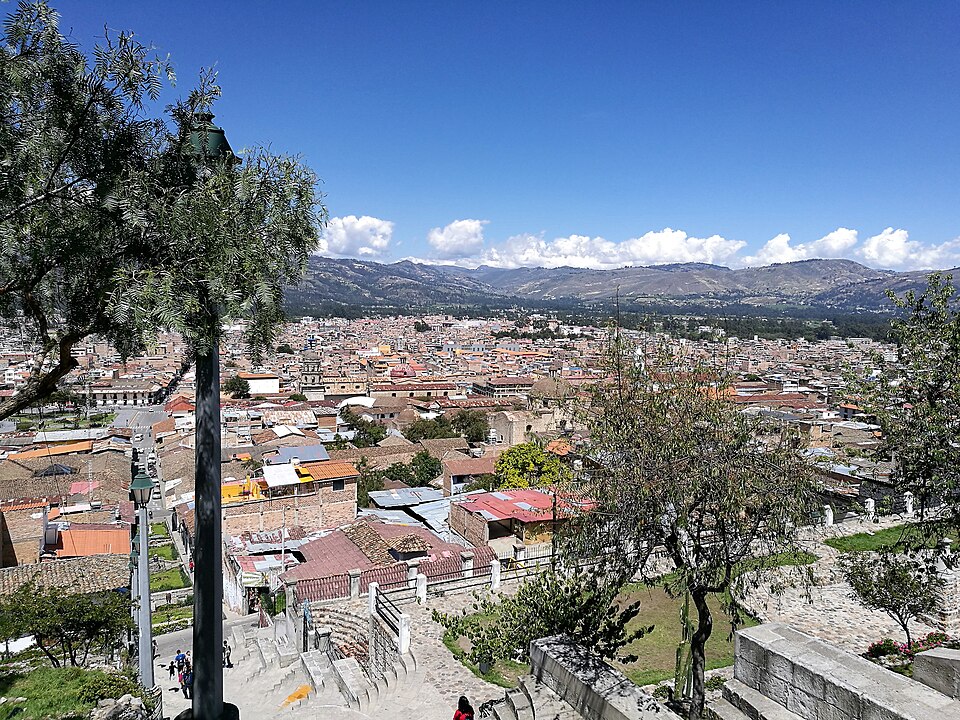
The view is the reason to come. From here you can see the grid of the colonial centre, the campiña running out to the ridges, and on a clear day the ground north of the city where the Yanacocha open-pit mine sits about fourteen kilometres away. That it is visible from the city's best viewpoint is part of how the mine figures in life here.
An hour is enough, more if you sit. The summit is about 2,800 metres, only fifty above the centre, but it is reached by a continuous flight of steps and that is the part people underestimate on a first day at altitude. Take it slowly. Dusk is the best time: the city lights come on below while there is still colour in the sky.
Stone stairways climb to the carved Inca Seat and a panoramic view over the whole city.
Santa Apolonia is the hill at the southwest corner of the centre, and the short climb up it is how most people first understand the shape of Cajamarca: a city of red roofs filling a flat valley floor with mountains closing it on every side.
Quick Facts
- Allow
- 1 hour
- Best time:
- Year-round
- Elevation:
- 2,800 m
- Region:
- Cajamarca
Book Your Visit
We may earn a commission from bookings made through these partners, at no extra cost to you.
Planning a trip to Cerro Santa Apolonia?
Browse more places in the region or get in touch with questions about visiting Cajamarca.