Most travellers ask which month is best. In Cajamarca the honest answer is that the weather barely moves, the crowds move a lot, and one week in February rearranges the whole city.
The two seasons
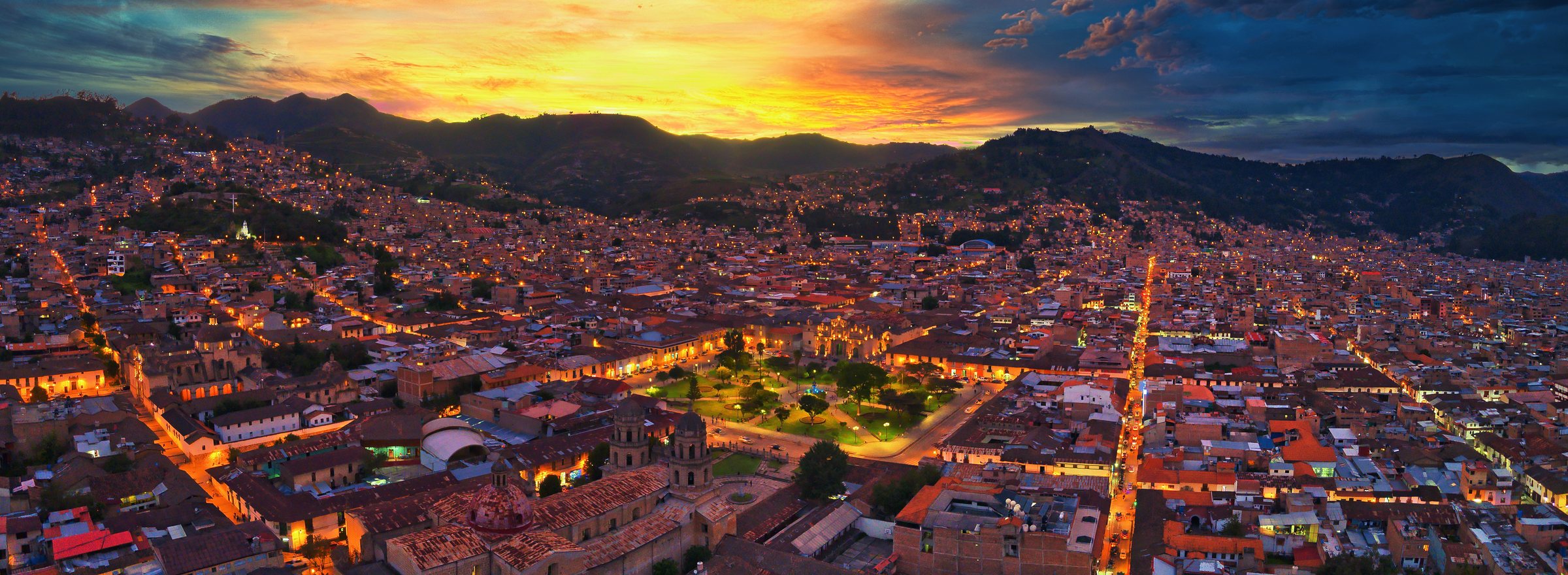
Cajamarca sits at 2,750 metres in a green Andean valley, and its climate is governed by rainfall rather than temperature. Daytime highs hover between 19°C and 22°C essentially year-round. Nights drop to 6-9°C in every month. Pack the same clothes in July as in January.
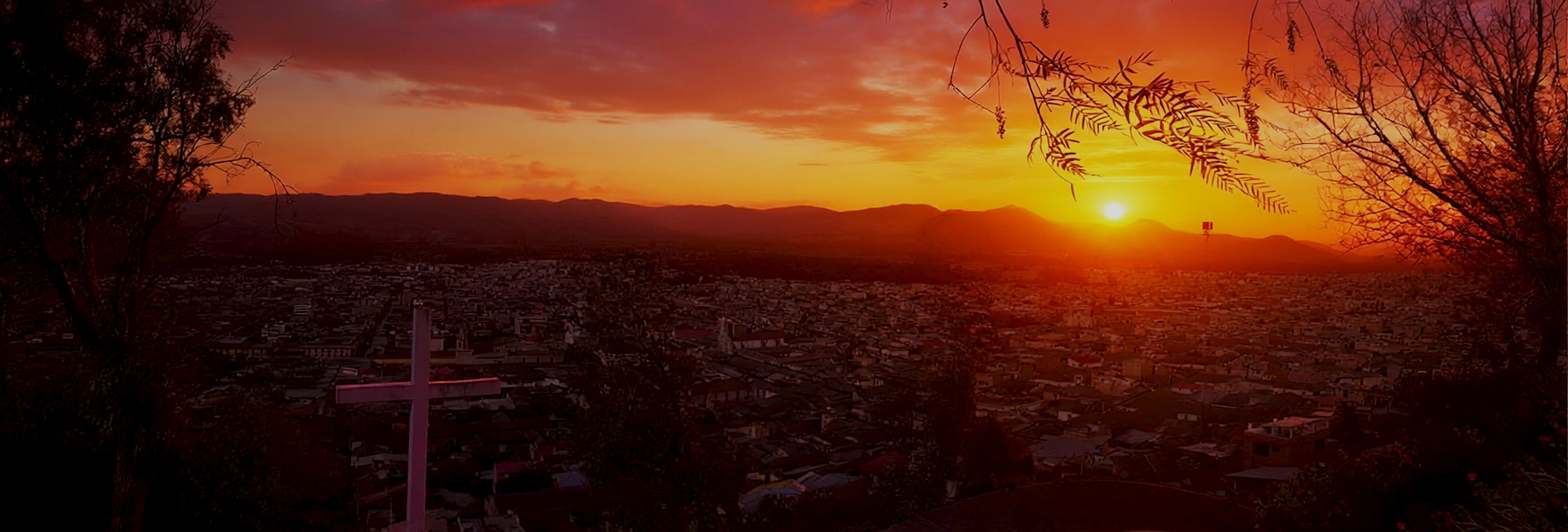
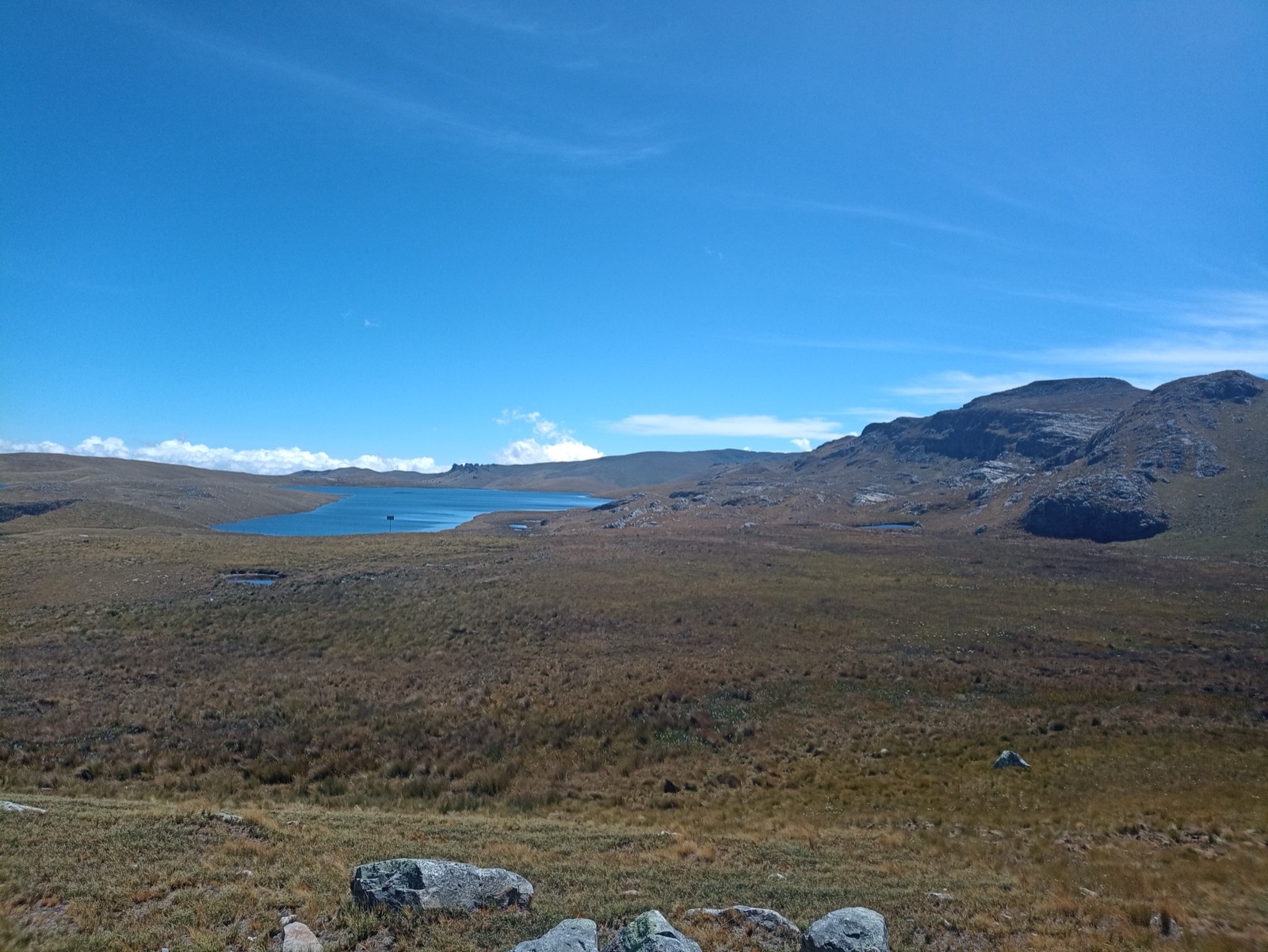
Dry season runs May to September. Clear mornings, hard sun, cold nights. This is when the roads out to Cumbemayo and the Lagunas de Alto Peru are reliably passable and the long views from Cerro Santa Apolonia actually pay off. July and August bring Peruvian domestic holidays, so hotel prices rise and the Baños del Inca pools fill up on weekends.
Wet season runs October to April. Rain usually arrives as a hard afternoon burst rather than an all-day drizzle, so mornings stay workable. The valley is at its greenest, the waterfalls at Llacanora are running properly, and prices drop. Bring a rain shell and accept that a dirt-road excursion may be called off.
The week that ignores the calendar
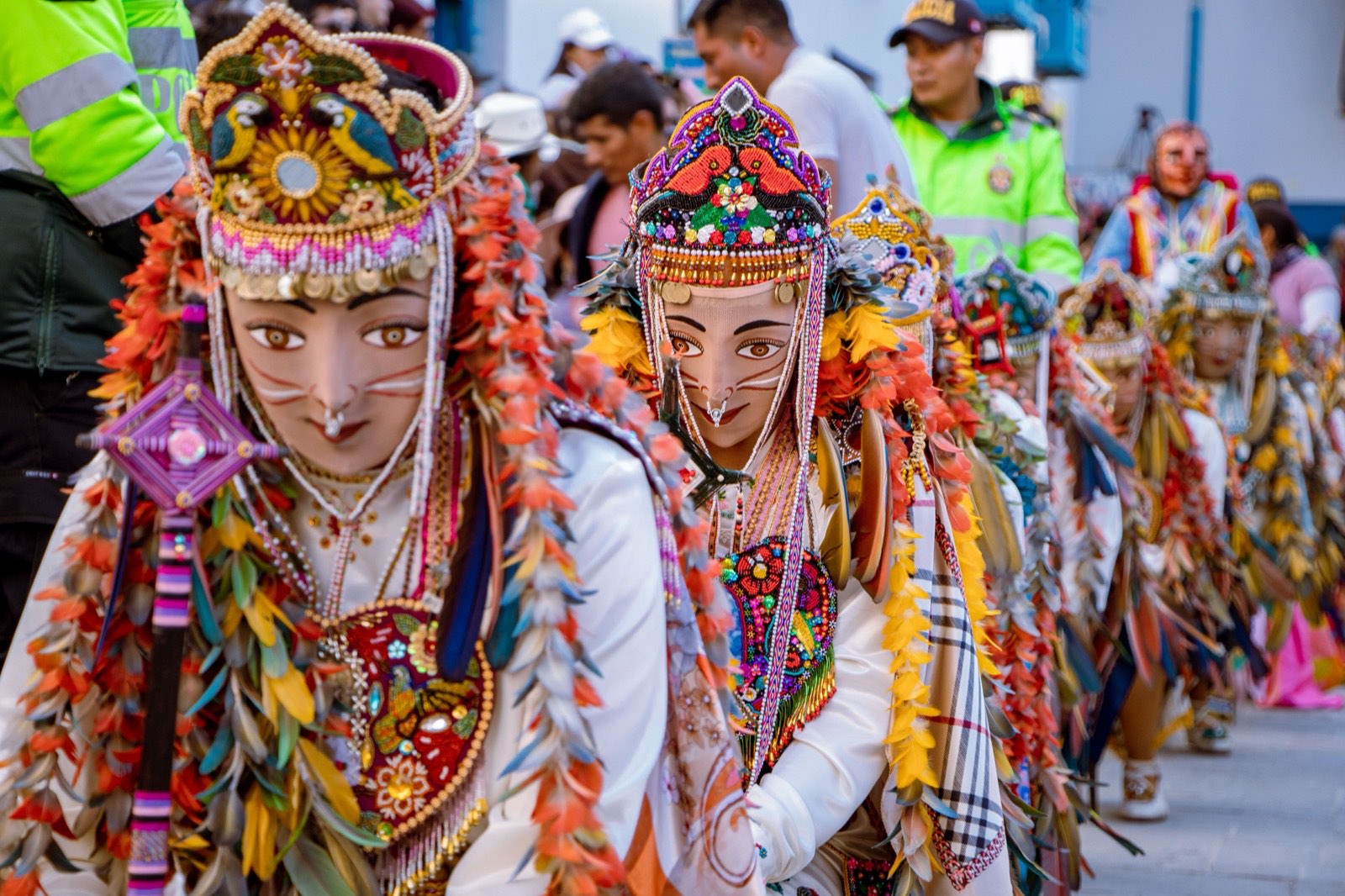
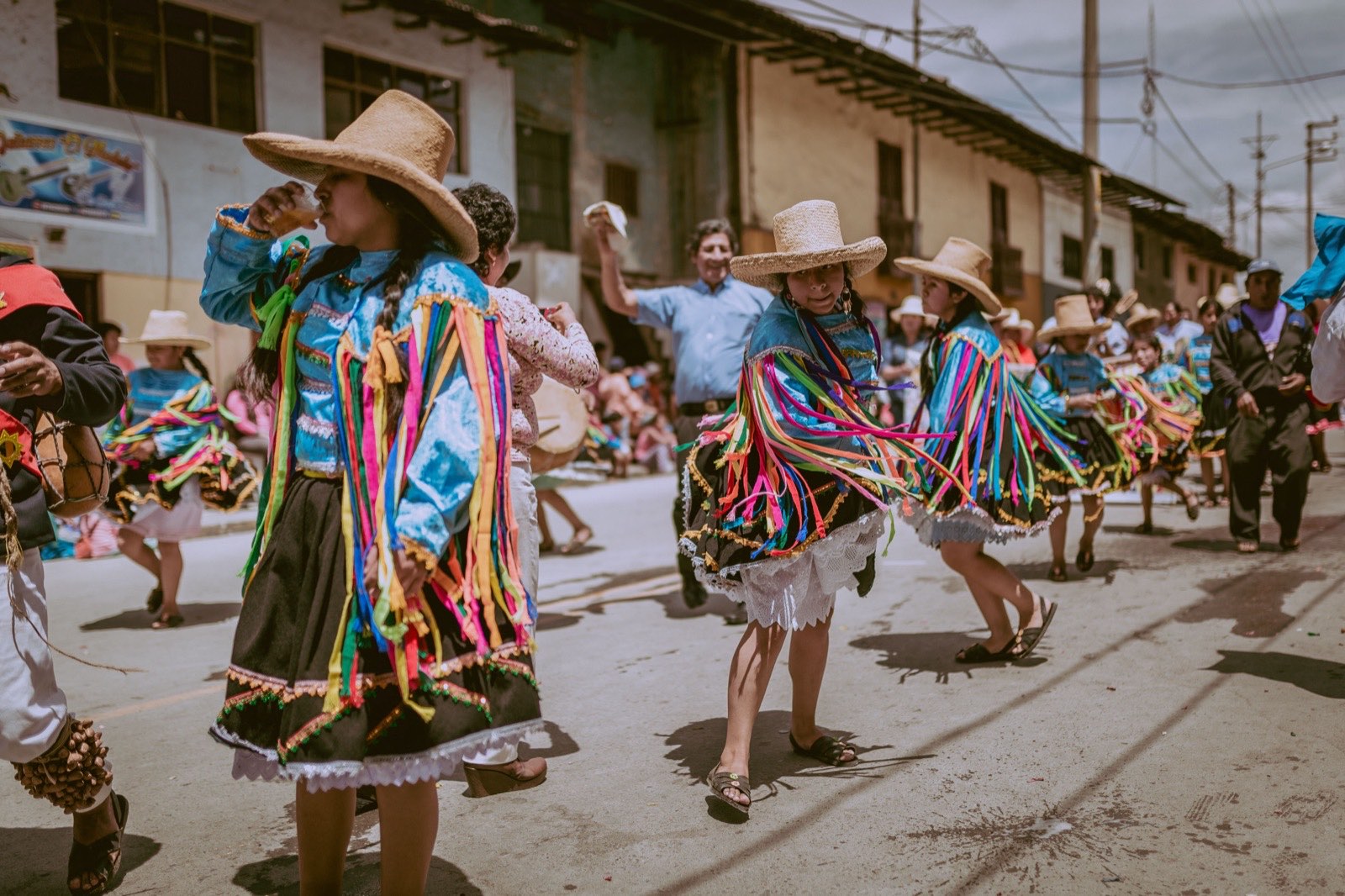
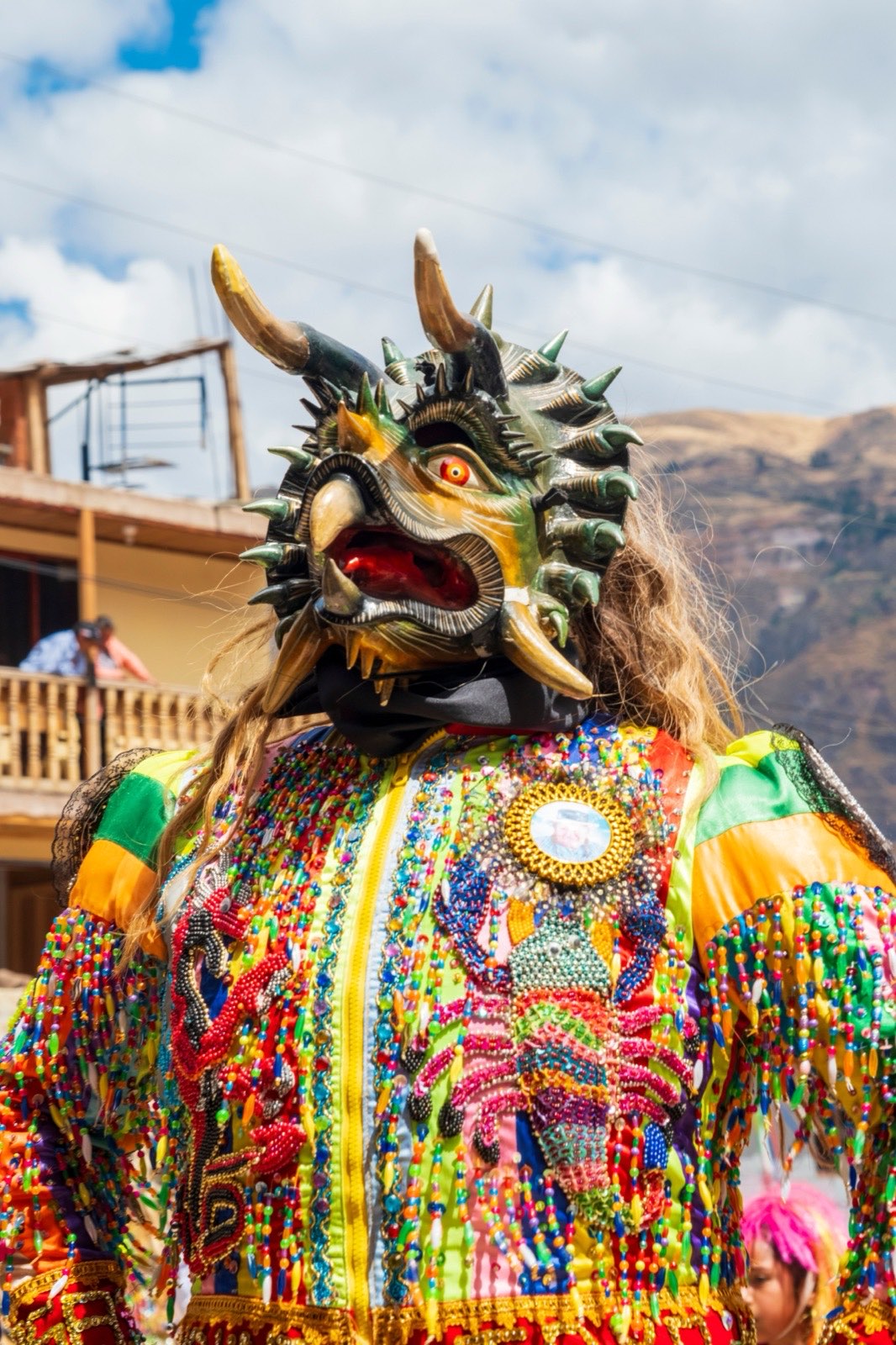
Carnival lands in February, in the wettest stretch of the year, and it is the single busiest week in Cajamarca. The city calls itself the Capital of Carnival in Peru and behaves accordingly: parades, water fights, painted faces, music until very late, and a level of participation that does not let bystanders stay dry.
If that is what you came for, book accommodation three to four months out. Prices double or better, and the good places in the historic centre go first.
If it is not what you came for, avoid that week entirely. Museums keep short hours, day tours get cancelled, and you will be soaked whether you agreed to it or not.
Month by month, briefly
- January to March. Wettest. Greenest. Carnival in February.
- April. Rain tapering, valley still green, very few visitors. Quietly the best value in the year.
- May to July. Clear and dry. Cold nights. July gets busy.
- August. Dry, sunny, and the peak of domestic tourism.
- September to October. Dry weather ending, crowds gone, roads still good.
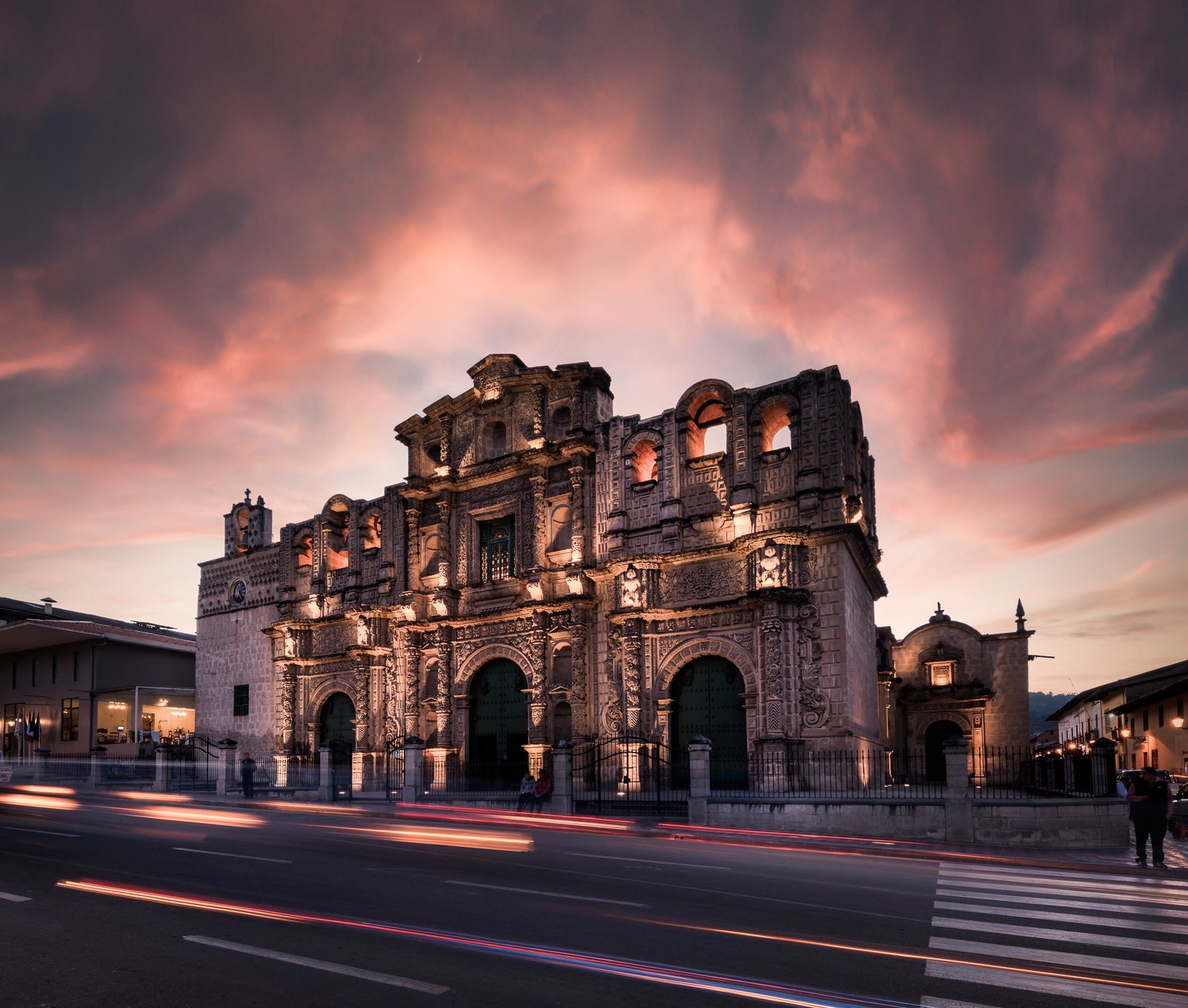
- November to December. Rain returning, low prices, Christmas processions in the churches around the Plaza de Armas.
The short version
For reliable weather and open roads, come in May, June, or September. For the lowest prices and the greenest landscape, come in April or October. For Carnival, come in February and plan for it properly, because you will not be able to opt out once you are here.