Cajamarca's reputation arrives before the city does: this is where Peru's dairy comes from, and the quesillo and manjar blanco deserve every word written about them. But a week here on cheese alone would miss most of what the valley actually eats.
The dairy, properly understood
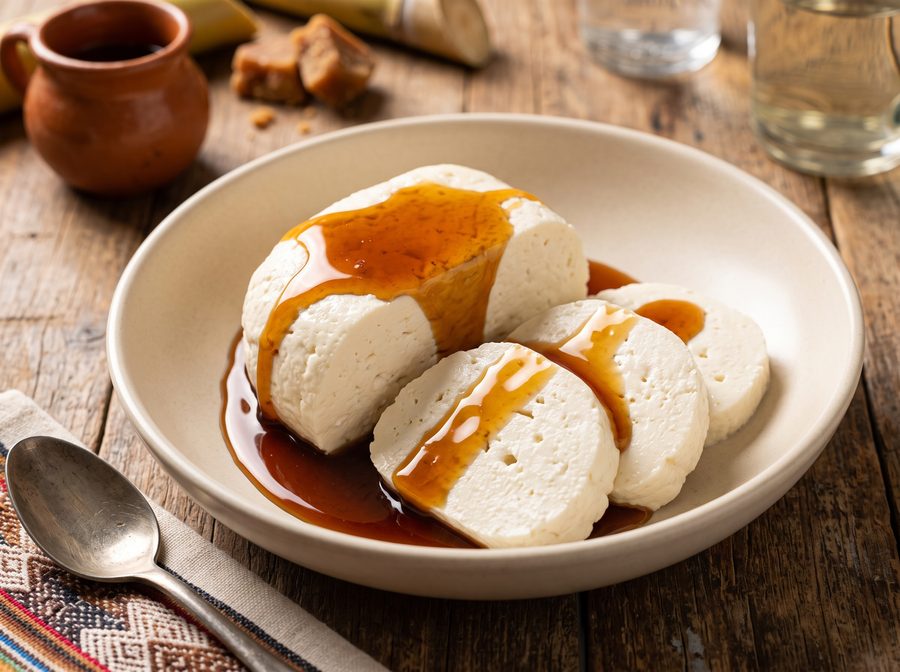
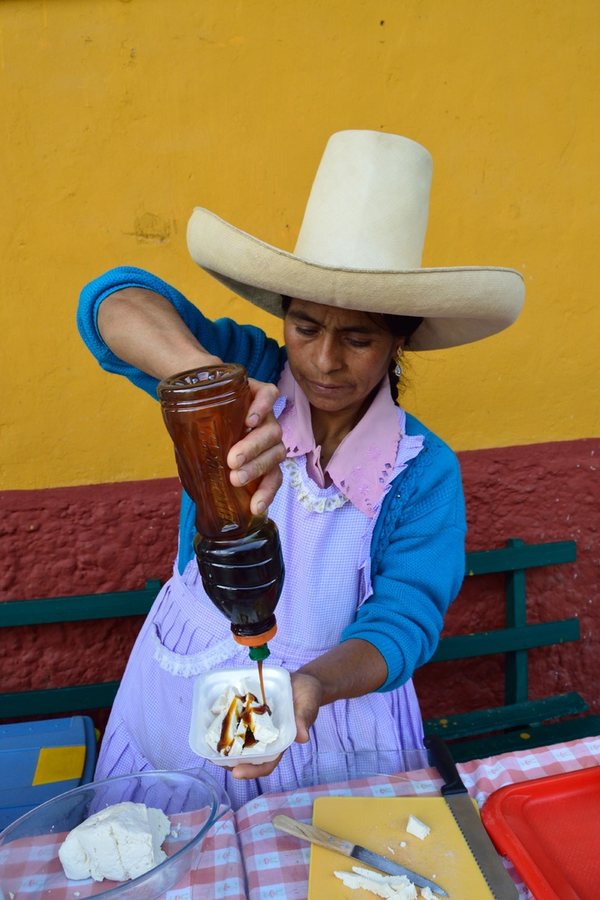
Quesillo is a fresh, soft, faintly salty cheese, and locally it is eaten with miel de caña, dark sugarcane syrup. The combination is the regional breakfast and the regional dessert, depending on the hour. Order quesillo con miel anywhere in the historic centre and you will get it.
Manjar blanco is the local dulce de leche, thicker and less sweet than the supermarket version. It fills the pastries sold around the Plaza de Armas.
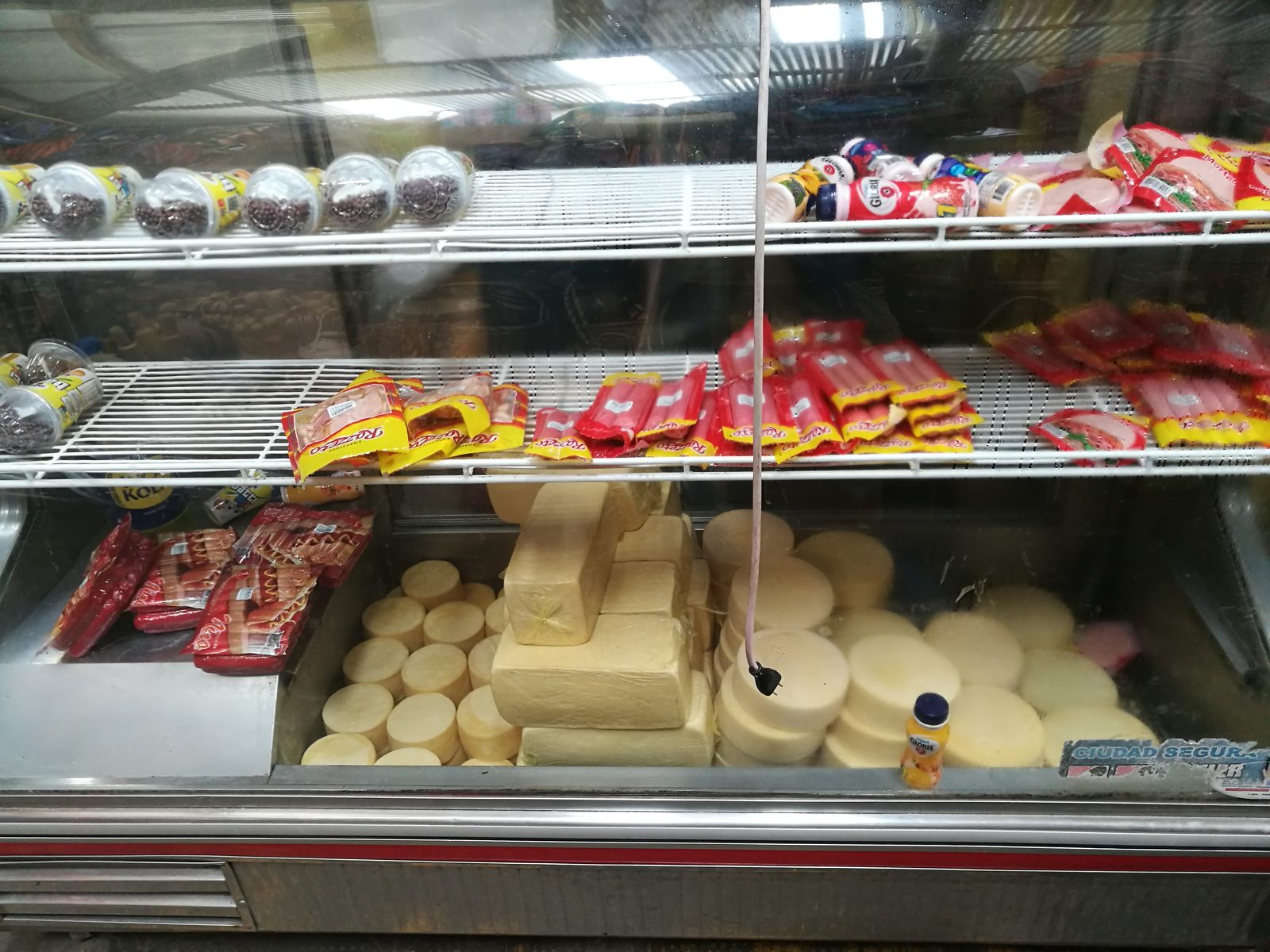
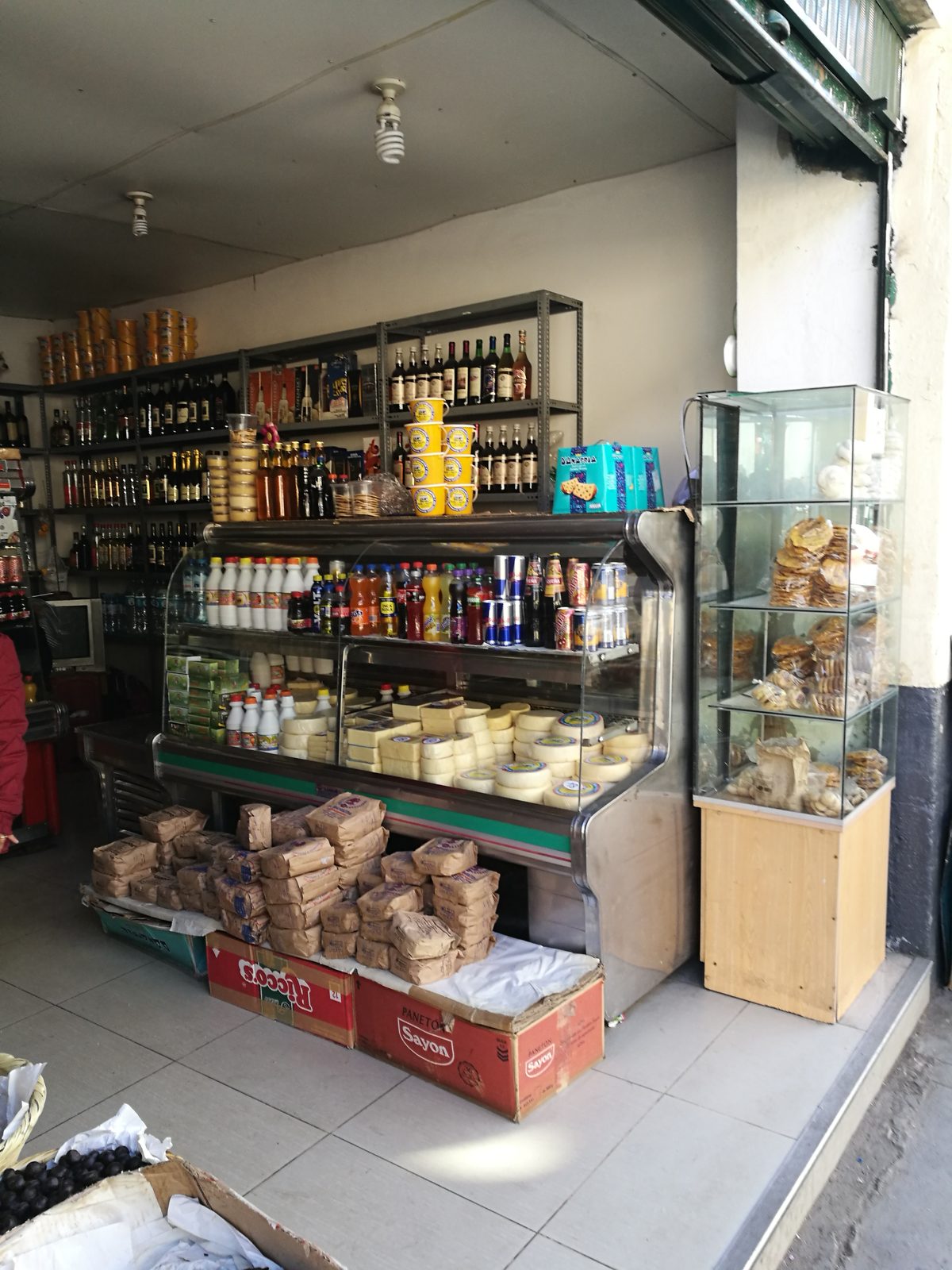
The aged cheeses, mantecoso, andino and the smoked ones, are sold in the dairy shops along Jirón Amazonas and in the Mercado Central. They travel well and they are the best souvenir the city produces.
The dishes to order
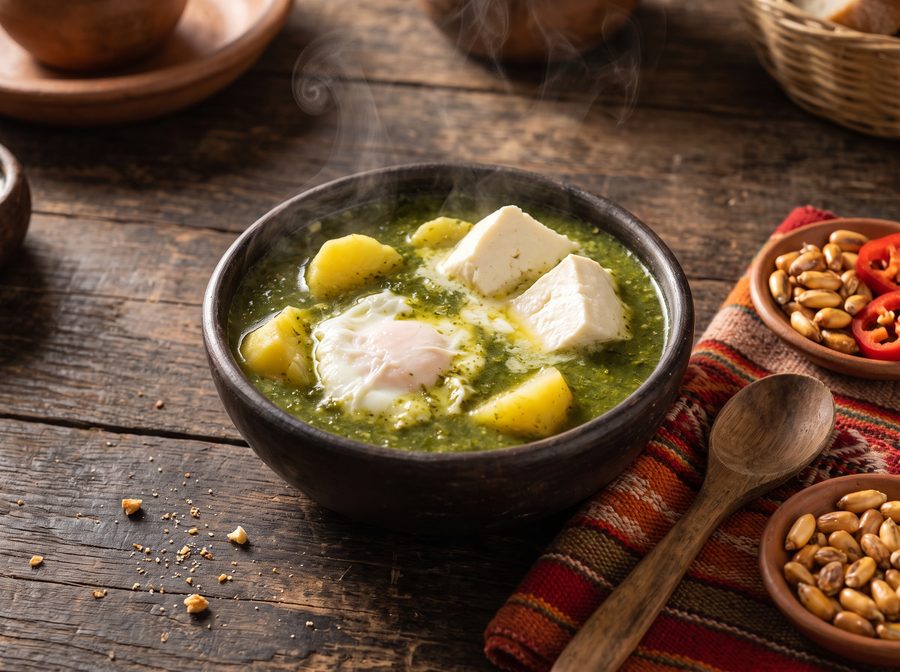
- Caldo verde. A green herb-and-potato soup, thickened with cheese and eaten at breakfast. It is the most Cajamarquino thing on any menu, and it is what you want on a cold morning.
- Humitas. Steamed fresh-corn parcels, sweet or savoury, sold from carts and market stalls.
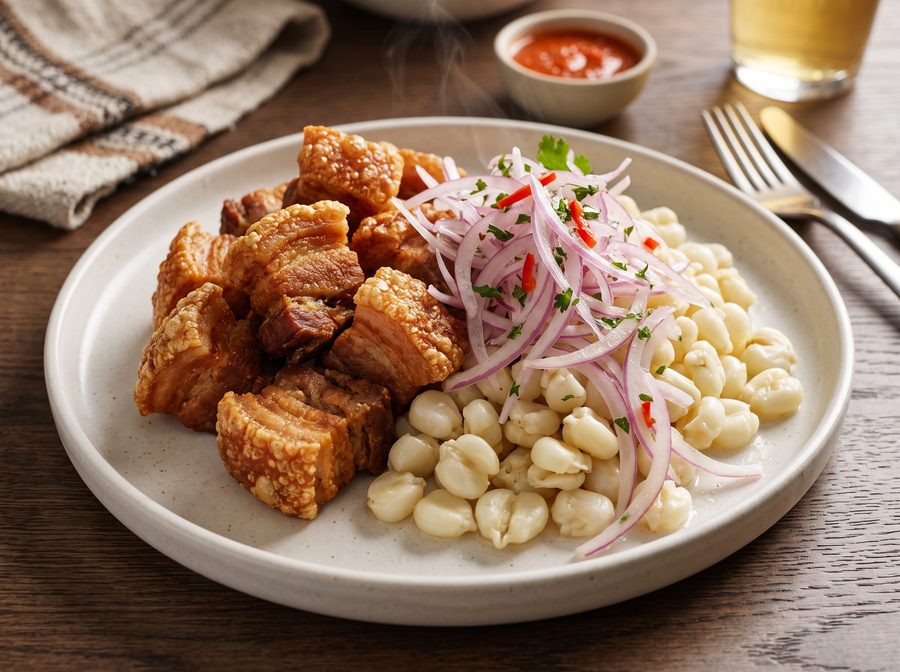
- Chicharrón con mote. Fried pork with large-kernel hominy corn. Weekend food, eaten late-morning.
- Cuy. Guinea pig, roasted or fried. It is traditional across the Andes and it appears on most menus here. Order it frito if it is your first time.
- Trucha. Trout from the highland farms, usually fried or a la plancha. Reliable, and the safe order for anyone travelling with a cautious eater.
- Sopa de trigo. Wheat soup with vegetables and a little meat. Cheap, warm, and everywhere.
Where to actually eat
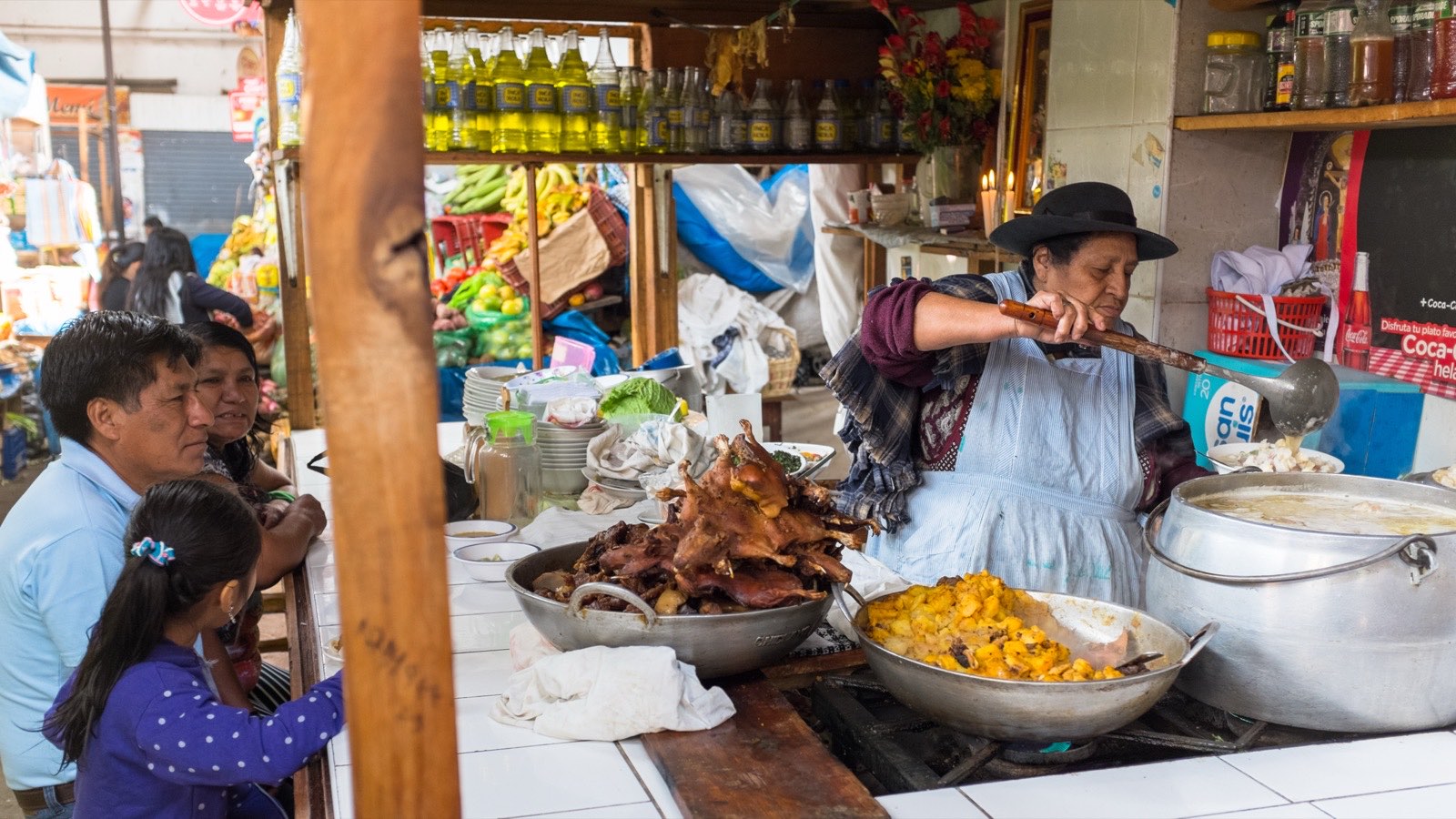
The Mercado Central is the best value in the city and the most interesting hour of eating you will have. Go for breakfast, sit at a puesto, and order caldo verde. Busy stalls with high turnover are the ones to pick.
Around the Plaza de Armas you will find the restaurants set up for visitors: comfortable, more expensive, English menus in some. Worth it in the evening when the market has closed.
Jirón Junín and Jirón Dos de Mayo carry a good run of mid-priced local places where Cajamarquinos eat lunch. Look for a menú del día: soup, main, and a drink for a few soles.
The countryside farms. Hacienda La Colpa and the dairy operations around it sell direct, and a tasting is a genuinely good half-day if you want to see where the cheese comes from rather than just eat it.
Two things to drink
Chicha de jora, the fermented corn drink, is the traditional one and it is an acquired taste. Try it once, from a place that looks busy.
And there is real coffee in the region. The Jaén and San Ignacio areas of Cajamarca department produce some of Peru's best arabica. Several cafés on the plaza serve it properly rather than as instant.
A note on stomachs
Market eating is safe if you use the ordinary rules: hot food served hot, busy stalls, bottled or boiled water, and give the raw salads a miss on your first two days. Cajamarca's tap water is not drinkable.